

 English
  русский
  Español
  عربى
عربى 
Content
- 1 Part 1: What is a Heavy-Duty Electric Linear Actuator?
- 2 Part 2: Applications of Electric Linear Actuators in Automation Machinery
- 3 Part 3: Advantages of Heavy-Duty Electric Linear Actuators
- 4 Part 4: How to Choose the Right Heavy-Duty Electric Linear Actuator
- 5 Part 5: Future Trends of Heavy-Duty Electric Linear Actuators
- 6 Conclusion
Heavy-Duty Electric Linear Actuator: A Key Component for Enhancing Automation Efficiency and Stability
2026-02-10
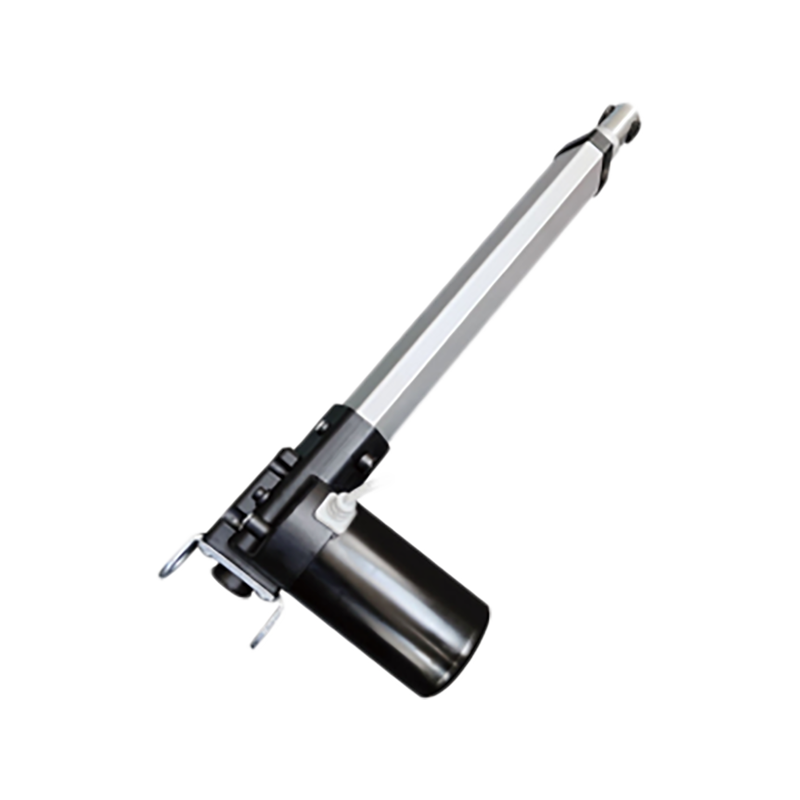
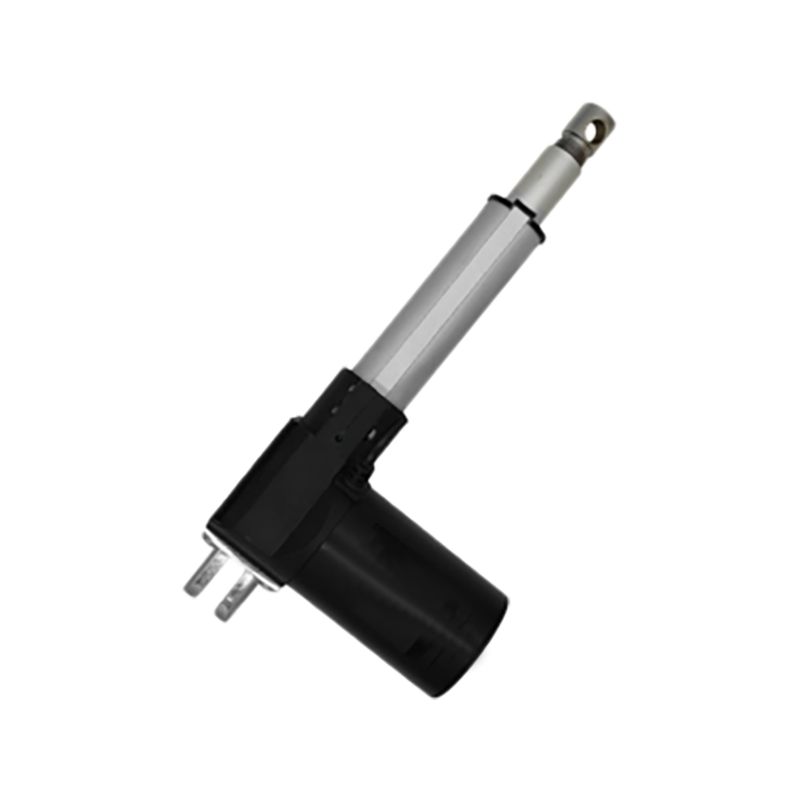
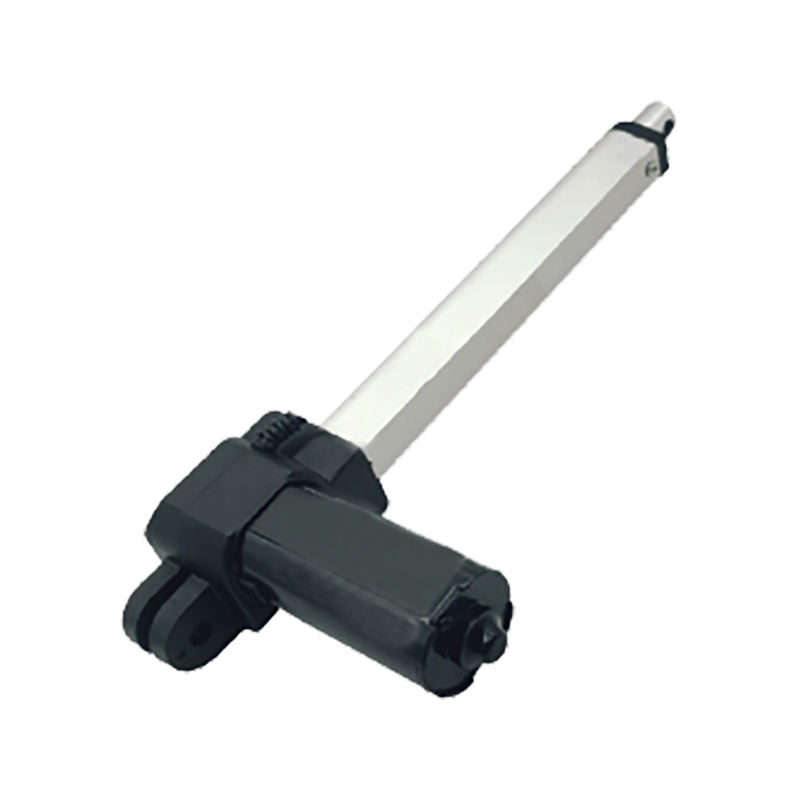
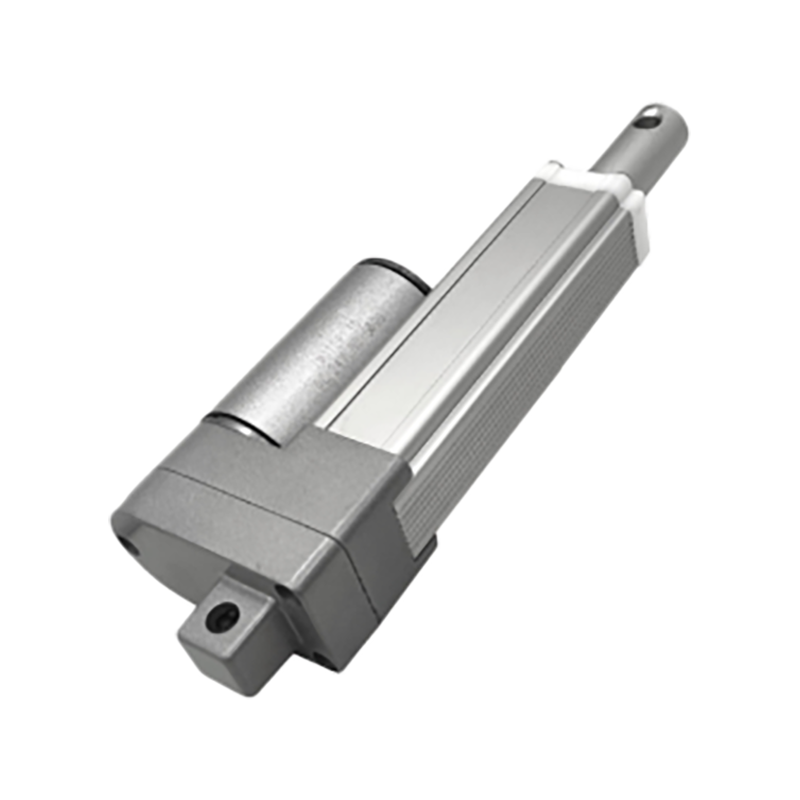
In the context of industrial automation and intelligence, various mechanical devices are increasingly relying on precise and stable driving systems. As one of the core components, the Heavy-Duty Electric Linear Actuator plays a crucial role in many industrial and intelligent systems due to its strong thrust, precise control ability, and efficient working performance. Whether in high-load industrial production lines or automation equipment that requires high precision, electric linear actuators are essential.
This article focuses on discussing the basic concepts, working principles, and wide applications of the Heavy-Duty Electric Linear Actuator, deeply analyzing its core value in automation machinery, and exploring how to select a suitable linear drive system for maximum performance in different application scenarios. Additionally, we will look at the trends and innovations of this technology in the future.
Part 1: What is a Heavy-Duty Electric Linear Actuator?
Basic Principles of Electric Linear Actuators
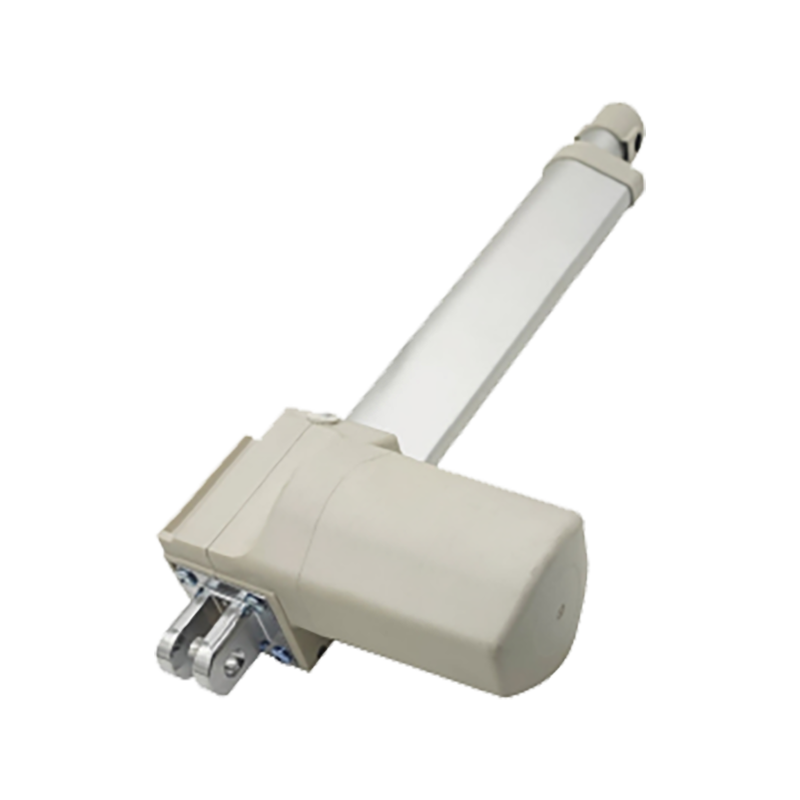
An electric linear actuator is a device that converts the rotational motion of an electric motor into linear motion. It typically consists of an electric motor, a reducer, a ball screw or gear drive system, and a push rod. When the electric motor starts, the reducer converts the rotational motion into the required linear motion, allowing the actuator to produce the corresponding thrust and movement.
Compared to traditional hydraulic or pneumatic drive systems, electric linear actuators have advantages such as lower maintenance costs, higher energy efficiency, and more precise control. In particular, the Heavy-Duty Electric Linear Actuator is designed to handle higher load capacities, ensuring stable operation even under heavy-duty conditions.
Differences Between Heavy-Duty Electric Linear Actuators and Standard Electric Linear Actuators
The main difference between heavy-duty electric linear actuators and standard electric linear actuators lies in their load-bearing capacity. Heavy-duty actuators can withstand greater loads and provide higher thrust, making them suitable for more demanding industrial applications.
- Load Capacity: Heavy-duty electric linear actuators generally provide higher thrust, capable of handling more substantial loads.
- Durability and Stability: Due to the higher loads they need to carry, heavy-duty actuators are made of stronger materials and designed for higher stability and durability.
- Application Range: Heavy-duty electric linear actuators are widely used in industries such as metallurgy, mining, oil, aerospace, etc., where more complex and high-strength working environments are required.
Working Mechanism of Heavy-Duty Electric Linear Actuators
The working mechanism of a heavy-duty electric linear actuator includes the driving of the electric motor, torque transmission through the reducer, motion conversion through the drive system, and linear pushing by the push rod. Once the electric motor starts, the reducer converts the rotational motion into linear motion. The push rod then moves back and forth according to the system settings, completing the desired automation task.
Compared to hydraulic and pneumatic drives, electric linear actuators provide precise control and avoid common leakage issues in hydraulic and pneumatic systems. They are more energy-efficient and environmentally friendly.
Part 2: Applications of Electric Linear Actuators in Automation Machinery
Applications in Industrial Automation
Electric linear actuators are widely used in various critical equipment in industrial automation, especially in devices requiring high thrust, precision, and stability. Heavy-duty electric linear actuators are particularly effective in high-load and high-strength working environments.
- Automated Production Lines: In modern automated production lines, electric linear actuators are used to control conveyor belts, robotic arms, and automatic assembly processes. They help achieve precise positioning, handling, and assembly with minimal manual intervention, improving efficiency.
- Welding and Cutting Equipment: In heavy industrial equipment such as welding and cutting machines, electric linear actuators drive the movement of machine platforms, ensuring accurate positioning and stable cutting during the manufacturing process.
- Robotic Arms and Assembly Robots: Automated robotic arms and assembly robots need high-precision drive systems to perform fine operations. The stability and large load-bearing capacity of heavy-duty electric linear actuators provide strong support for these devices.
Applications in Smart Homes
With the development of smart home technology, electric linear actuators are not only confined to industrial fields but are also increasingly used in home automation systems such as smart curtains, adjustable desks, and automatic door systems.
- Smart Curtain Systems: Electric linear actuators drive the raising and lowering of curtains, allowing them to adjust automatically based on user requirements. This system not only improves home convenience but also optimizes indoor light and temperature control, enhancing the living experience.
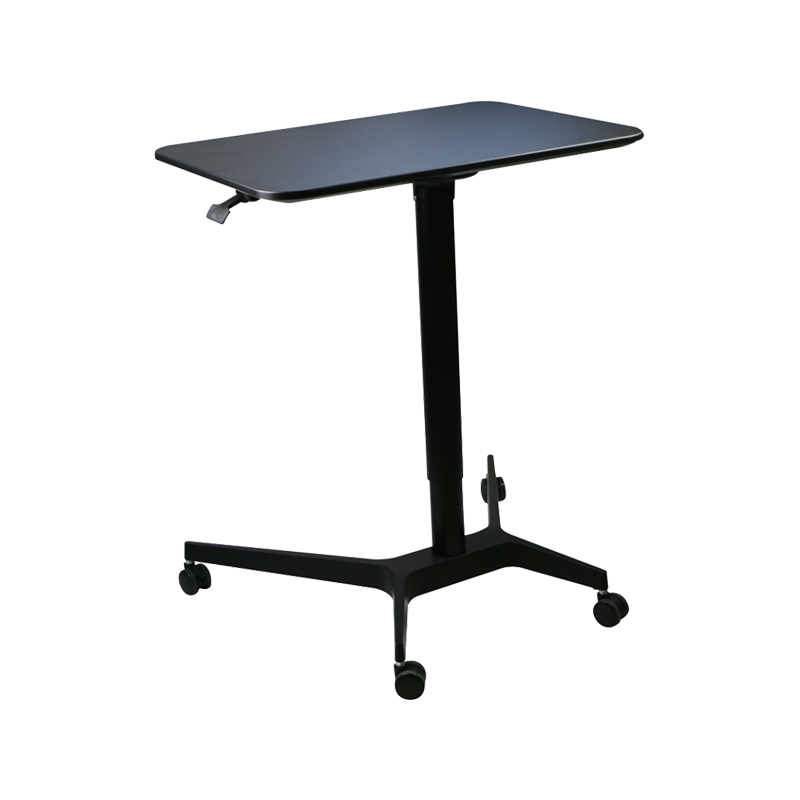
- Adjustable Desks: In modern office environments, electric linear actuators are commonly used in adjustable desks. Users can easily adjust the desk height to meet different working needs, improving comfort and productivity.
- Automatic Door Systems: Electric linear actuators are also widely used in automatic door systems in smart homes. Whether it's the home entrance or commercial building access control, they ensure smooth and quick door operation.
Applications in Medical Equipment
Medical devices require high precision and reliability, making electric linear actuators a critical component in various medical applications, such as patient beds, surgical tables, and medical robots.
- Electric Hospital Beds: Electric linear actuators are commonly used to adjust the height of hospital beds. This adjustment improves patient comfort and ensures better care and treatment environments.
- Surgical Tables: Surgical tables require height and angle adjustments based on specific surgical needs. Electric linear actuators provide precise control and high load-bearing capacity to ensure stability and safety during surgeries.
- Medical Robots: In medical robotics, electric linear actuators offer high precision in linear motion. Combined with other control systems, they help execute complex surgical or medical tasks with increased automation and accuracy.
Applications in Aerospace and Military Fields
The aerospace and military sectors require devices with high precision, stability, and load-bearing capacity, and heavy-duty electric linear actuators are ideal for meeting these demands.
- Aerospace Actuators: In spacecraft, actuators are used for controlling attitude and direction. The precision motion control offered by electric linear actuators makes them indispensable in spacecraft systems.
- Military Equipment: Electric linear actuators are used in military equipment such as automatic targeting systems, mobile platforms, and unmanned vehicles, providing stable and reliable linear motion for critical operations.
Part 3: Advantages of Heavy-Duty Electric Linear Actuators
Stability and Durability
Heavy-duty electric linear actuators are designed to handle large loads, making them more durable and stable. They are constructed with stronger materials such as high-strength steel and aluminum alloys. Additionally, they feature excellent shock-absorption and vibration-damping designs to maintain stable performance even under heavy-duty and high-shock environments.
Precise Control and Adjustability
One of the main advantages of electric linear actuators is their ability to provide precise motion control. Users can adjust parameters such as thrust, speed, and stroke length based on application needs. This flexibility ensures that the actuator performs optimally in different working environments.
Low Maintenance Costs and High Efficiency
Unlike hydraulic and pneumatic systems, electric linear actuators do not require complex piping and fluid systems, reducing the risk of leaks and contamination. Additionally, they are energy-efficient, helping reduce overall operating costs while maintaining optimal performance.
Part 4: How to Choose the Right Heavy-Duty Electric Linear Actuator
1. Thrust and Load Capacity
When selecting a heavy-duty electric linear actuator, the first thing to consider is the required thrust and load capacity. Thrust refers to the maximum force the actuator can generate, while load capacity refers to the maximum weight it can carry while functioning efficiently.
For applications requiring large thrusts (e.g., heavy machinery, assembly robots), it's necessary to choose actuators with higher load-bearing capacity. Choosing an actuator with insufficient thrust may lead to poor performance or even damage to the system.
2. Stroke and Speed
Stroke length refers to the maximum extension distance of the actuator, while speed refers to the rate at which the actuator moves within that stroke. Both parameters need to be carefully selected based on application requirements. A longer stroke may increase the actuator's size and cost, while a shorter one may not meet the operational needs.
3. Precision and Repeatability
Precision refers to the accuracy of the actuator's positioning, and repeatability refers to its ability to return to the same position after repeated motions. For applications requiring high precision (e.g., automated assembly, medical devices), these factors are critical.
4. Safety and Stability
Safety and stability are crucial when selecting electric linear actuators, particularly in high-load, high-speed, or high-frequency applications. Ensuring that the actuator design meets safety standards such as overload protection and anti-vibration performance can effectively prevent accidents.
5. Environmental Suitability
Electric linear actuators must be chosen according to the specific environment in which they will operate. In harsh industrial environments, actuators may need to withstand high temperatures, humidity, dust, and corrosion. Selecting actuators with suitable protective ratings (e.g., IP65 or higher) and materials can ensure reliable performance.
Part 5: Future Trends of Heavy-Duty Electric Linear Actuators
1. Smart and Remote Control
The future of electric linear actuators lies in their integration with smart technologies. With the help of IoT (Internet of Things) technology, actuators can monitor their operating status in real time and automatically send alerts if issues arise. Users will also be able to control actuators remotely, enabling precise adjustments from any location.
2. Increased Energy Efficiency and Environmental Friendliness
As environmental concerns rise and energy costs increase, energy efficiency will be a key focus in the design of future electric linear actuators. Actuators will be optimized for low energy consumption while using more eco-friendly materials and manufacturing processes.
3. Multi-functionality and Integration
The future of heavy-duty electric linear actuators will involve multi-functionality and integration. They may come with additional modules such as torque sensors, temperature sensors, and position sensors, allowing for real-time monitoring of various parameters and ensuring optimal performance during operation.
4. Broader Application Fields
As technology advances and application demands evolve, the scope of applications for electric linear actuators will continue to expand. Future applications include areas such as precision medical devices, intelligent robotics, and green energy systems like wind turbine control.
Conclusion
As a core driving component in modern automation systems, the Heavy-Duty Electric Linear Actuator plays a vital role in enhancing industrial automation, smart homes, medical equipment, and aerospace industries. With continuous advancements in technology, these actuators are becoming more energy-efficient, intelligent, and integrated, contributing to greater efficiency and sustainability across industries.
When choosing an electric linear actuator, users need to consider multiple factors such as thrust, precision, stability, and environmental suitability. By selecting the right actuator for specific applications, optimal performance and longer service life can be ensured. With increasing innovations, the heavy-duty electric linear actuator will continue to drive advancements in automation across various industries.

- Contact Info
-
-
 Phone+86-15950656125
 -
 Email
Email -
 AddressRoom 1007-1, South Building, Suyue Plaza, Suzhou Industrial Park, Suzhou City, Jiangsu Province, China
-
- Products
- Follow Us
- Need help? Please contact us
Copyright ©
SuZhou Skyhone Intelligent Technology Co., Ltd.
All Rights Reserved.
Privacy
Custom Ergonomic Adjustable Office Tables Manufacturers

