

 English
  русский
  Español
  عربى
عربى 
Content
- 1 Working Principle and Internal Structure of Electric Linear Actuators
- 2 Classification of Industrial Electric Linear Actuators
- 3 Core Performance Parameters and Technical Indicators
- 4 Wide Application Fields in Industrial Scenarios
- 5 Comparison Between Electric, Hydraulic and Pneumatic Linear Actuators
- 6 Selection Guidelines for Industrial Electric Linear Actuators
- 7 Installation, Maintenance and Fault Handling
- 8 Development Trend of Industrial Electric Linear Actuators
How to Choose the Right Industrial Electric Linear Actuator for Your Equipment?
2026-04-15
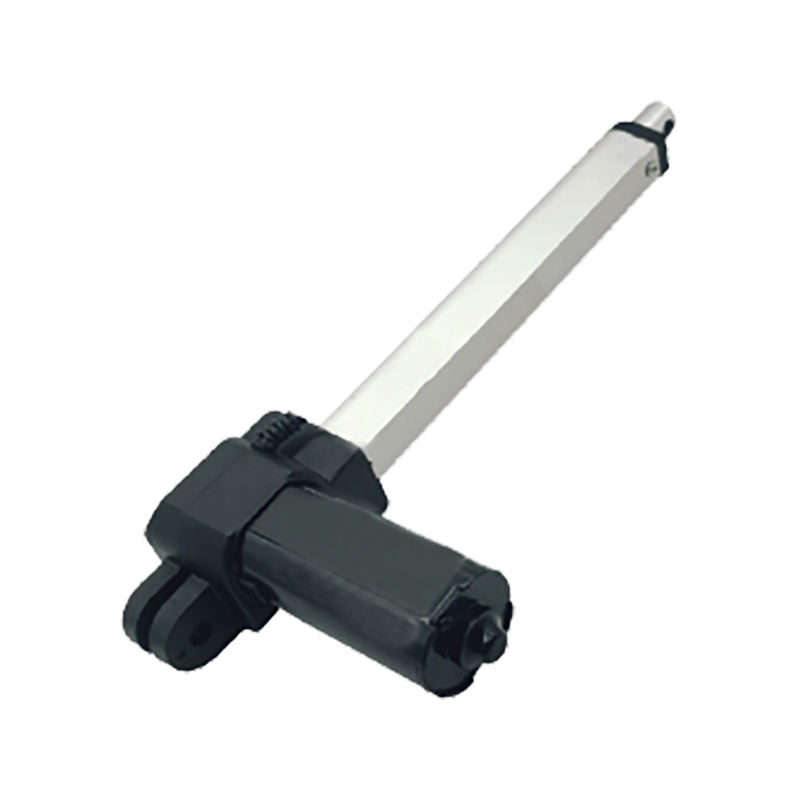
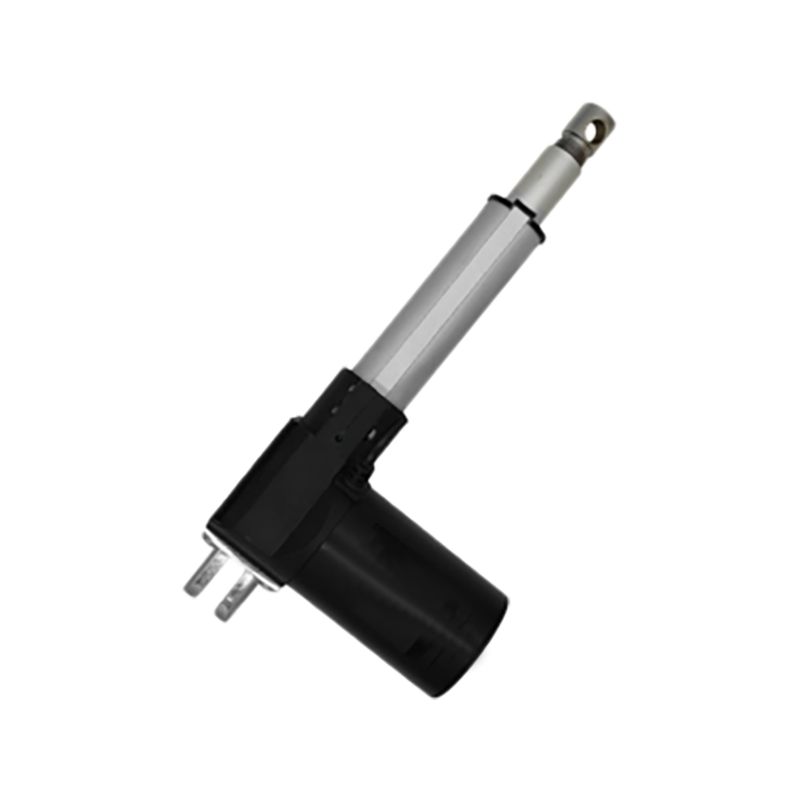
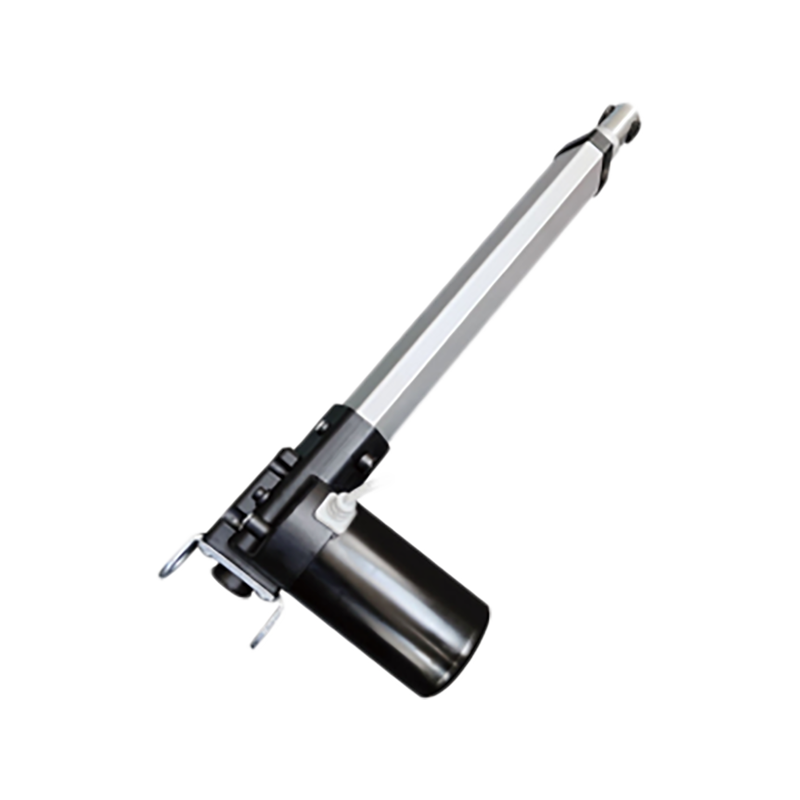
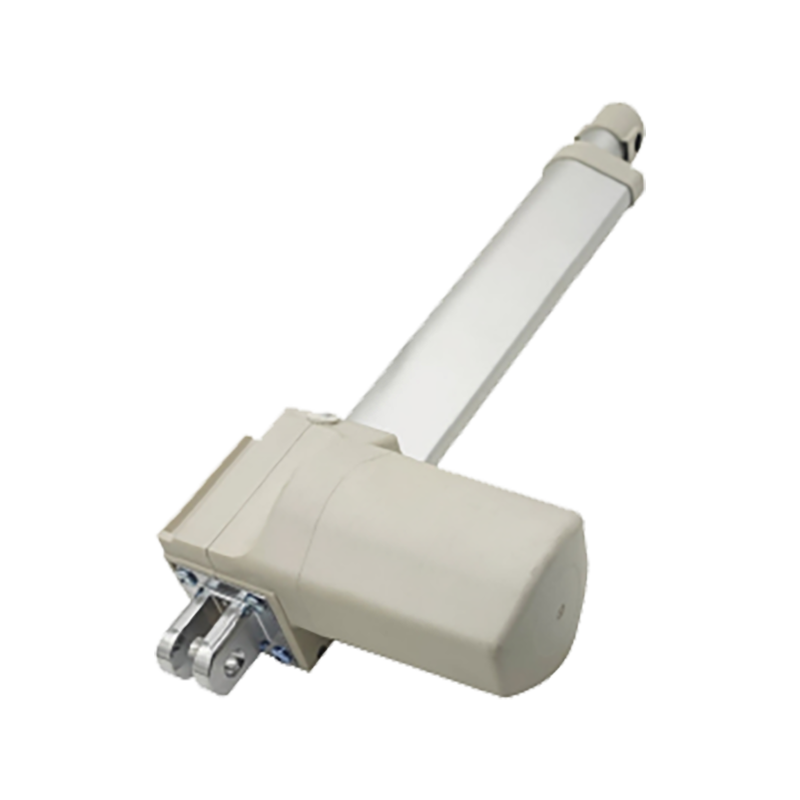
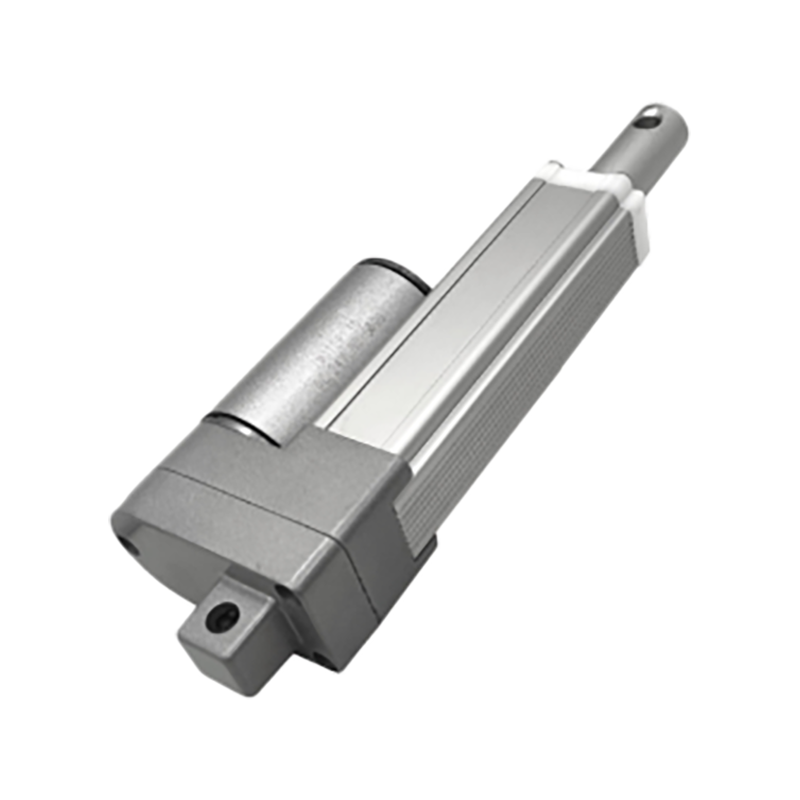
Industrial electric linear actuators are precision electromechanical devices that convert rotational motor energy into stable, controllable linear reciprocating motion, serving as core transmission components in modern industrial automation systems. Compared with hydraulic and pneumatic actuators, they feature zero pollution, high precision, low maintenance, and flexible control, and have become the preferred linear motion solution for automated production, intelligent equipment, and industrial engineering.
Their core value lies in realizing precise push, pull, lift, position adjustment, and angle control under various industrial working conditions, with a standard linear motion accuracy of up to 0.1mm, and can operate continuously for over 10,000 hours under rated load, fully meeting the long-term, high-stability operation requirements of industrial scenarios.
Working Principle and Internal Structure of Electric Linear Actuators
Basic Working Principle
The operating logic of industrial electric linear actuators follows a fixed energy conversion path: after the motor is powered on, it outputs high-speed rotational motion, which is decelerated and torque-amplified by the internal reduction gearbox; the rotational motion is then converted into linear motion through the screw drive mechanism, and finally drives the push rod to perform telescopic movement.
The entire process is controlled by circuit modules, which can realize forward rotation, reverse rotation, stop, and overload protection. When the push rod reaches the set stroke limit or bears an overload exceeding the rated value, the built-in protection system will automatically cut off the power supply to avoid equipment damage, ensuring operational safety in industrial environments.
Key Internal Components and Functions
- Drive Motor: The power source, divided into DC and AC motors, provides rotational power for the entire actuator
- Reduction Gearbox: Reduces motor speed and increases output torque, adapting to heavy-duty industrial loads
- Screw Drive: Core conversion component, including ball screws and trapezoidal screws, responsible for motion conversion
- Push Rod and Cylinder Tube: Executes linear motion and provides structural support, with wear-resistant and pressure-resistant features
- Limit and Protection Module: Controls stroke range and prevents overload, ensuring stable and safe operation
| Drive Type | Motion Efficiency | Service Life | Application Scenarios |
|---|---|---|---|
| Ball Screw | Over 90% | Ultra-long | High-precision automation equipment |
| Trapezoidal Screw | 70%-80% | Long | Heavy-duty fixed transmission |
Classification of Industrial Electric Linear Actuators
Classification by Motor Type
DC electric linear actuators are powered by 12V/24V/48V DC, featuring a small size, fast response speed, and flexible installation, widely used in mobile equipment and compact industrial tools. AC electric linear actuators use 110V/220V/380V industrial power, with strong load capacity and stable continuous operation, suitable for large fixed industrial machinery and production lines.
Classification by Protection Level
Standard industrial actuators have a protection level of IP54, preventing dust splashing and water mist erosion, suitable for conventional workshops. IP65/IP67 high-protection actuators are fully dust-proof and can withstand low-pressure water spraying and temporary immersion, adapting to harsh environments such as outdoor engineering, food processing workshops, and chemical production areas.
Classification by Load Capacity
- Light-duty actuators: Load below 500N, for precision adjustment of small instruments
- Medium-duty actuators: Load 500N-5000N, for automated assembly and conveying equipment
- Heavy-duty actuators: Load over 5000N, for large machinery lifting and pushing
Classification by Control Mode
Basic on-off control actuators realize simple extension and retraction through switches; potentiometer feedback actuators output real-time position signals for semi-precise control; servo-controlled electric linear actuators support high-precision closed-loop control, with adjustable speed and position, meeting the high-standard needs of intelligent industrial systems.
Core Performance Parameters and Technical Indicators
Stroke and Speed
Stroke refers to the effective linear movement distance of the push rod, ranging from 10mm to 1000mm in industrial scenarios, customized according to equipment needs. Speed is generally between 5mm/s and 50mm/s, and high-speed models can reach 80mm/s. There is a mutual restriction between speed and load: under the same power, the higher the speed, the smaller the load capacity, and vice versa.
Load and Durability
Rated load is the maximum force that the actuator can bear for a long time, divided into static load and dynamic load. Industrial-grade products can maintain stable performance under long-term full-load operation, with a standard service life of more than 10,000 hours, and high-end models can reach 30,000 hours, greatly reducing equipment replacement frequency and maintenance costs.
Accuracy and Repeat Positioning
Positioning accuracy determines the application field of actuators. Conventional models have an accuracy of ±0.5mm, high-precision ball screw models can reach ±0.1mm, and repeat positioning accuracy is stable within 0.05mm, fully meeting the requirements of automated assembly, precision cutting, and position calibration in industrial production.
Operating Temperature and Environmental Adaptability
Standard industrial electric linear actuators operate in the range of -20℃ to 65℃, and low-temperature customized models can work normally at -40℃, adapting to cold regions and low-temperature workshops. High-temperature resistant models can withstand 85℃ environments, suitable for metallurgical, baking and other high-temperature industrial links.
Wide Application Fields in Industrial Scenarios
Automated Production Lines
In assembly lines, packaging lines and conveying systems, electric linear actuators complete product pushing, positioning, clamping and stacking. They replace manual labor to realize continuous operation, with production efficiency increased by over 60% and product consistency significantly improved. They are widely used in electronics, automobile, hardware and other manufacturing industries.
Industrial Automation Equipment
As core components of manipulators, welding robots, and testing equipment, they realize precise angle and position adjustment. In CNC machine tools, they control tool feeding and workpiece clamping, with positioning accuracy matching the high-precision requirements of mechanical processing, effectively improving processing quality and reducing defective rates.
Agricultural and Engineering Machinery
Outdoor industrial machinery such as agricultural harvesters, construction machinery, and sanitation vehicles use heavy-duty electric linear actuators to control valve switches, baffle lifting, and arm expansion. They have strong environmental adaptability, no oil leakage risk, and are more reliable than hydraulic devices in complex outdoor environments.
Food, Medical and Hygiene Industries
These industries have strict requirements for cleanliness and hygiene. Electric linear actuators do not require hydraulic oil, produce no peculiar smell and pollution, and meet food-grade and medical-grade safety standards. They are used in food sorting, filling equipment, medical testing instruments and rehabilitation equipment, ensuring safe and hygienic production and use.
New Energy and Special Industrial Equipment
In solar tracking systems, they adjust the angle of solar panels to maximize light absorption and improve power generation efficiency. In new energy battery production lines, they complete battery handling, pressing and testing, adapting to the high-standard, high-stability needs of the new energy industry.
Comparison Between Electric, Hydraulic and Pneumatic Linear Actuators
| Indicator | Electric Actuator | Hydraulic Actuator | Pneumatic Actuator |
|---|---|---|---|
| Control Precision | High | Medium | Low |
| Maintenance Cost | Low | High | Medium |
| Environmental Pollution | None | Oil Leakage Risk | Air Noise |
| Installation Complexity | Simple | Complex | Medium |
The data shows that electric linear actuators have absolute advantages in precision, environmental protection and maintenance. Although hydraulic actuators have ultra-high load capacity and pneumatic actuators have low cost, they cannot meet the needs of modern industrial intelligence, cleanliness and high efficiency. Electric linear actuators are the optimal choice for most industrial automation scenarios.
Selection Guidelines for Industrial Electric Linear Actuators
Determine Load and Safety Factor
First, calculate the actual push-pull force required by the equipment, and select the rated load with a safety factor of 1.2-2.0 to avoid overload damage. For impact loads, increase the safety factor to 2.5 to ensure long-term stable operation under complex working conditions.
Confirm Stroke and Installation Space
Measure the actual required movement distance, and leave a 5%-10% stroke margin to prevent mechanical collision. At the same time, measure the installation length, width and height, and select the appropriate size of the actuator to match the equipment structure, avoiding space constraints affecting installation and use.
Select Speed and Control Mode
For high-efficiency production lines, choose medium and high-speed actuators; for precision processing, choose low-speed and high-precision models. Select control mode according to system needs: simple motion uses on-off control, and intelligent systems use closed-loop feedback control to achieve coordinated operation with the entire automation system.
Match Protection Level and Voltage
Indoor clean environments use IP54 actuators; outdoor, humid and dusty environments use IP65 or higher models. Match the power supply voltage: mobile equipment uses DC power, and fixed industrial equipment uses AC power, ensuring stable power supply and normal operation of the actuator.
Installation, Maintenance and Fault Handling
Standard Installation Requirements
Install the actuator according to the fixed direction, avoid radial load on the push rod, and use hinged connectors for swing motion. After installation, conduct no-load test run to check whether the expansion is smooth, and then carry out load test after confirming normal operation to ensure the installation firmness and motion stability.
Routine Maintenance Methods
- Regularly check the fasteners to keep them tight and avoid loosening caused by vibration
- Clean the surface dust and impurities of the push rod to prevent wear and tear
- Lubricate the screw components regularly according to the usage frequency
- Check the circuit connection to avoid poor contact and short circuit
Common Faults and Solutions
If the actuator does not operate after power on, check the power supply connection and fuse; if the movement is stuck, check whether the push rod is blocked or the internal screw is damaged; if the noise is too high, check the lubrication and installation levelness; if the overload protection is triggered frequently, reduce the actual load or replace a higher-load model. Most faults can be quickly eliminated through routine inspection and maintenance, reducing downtime.
Development Trend of Industrial Electric Linear Actuators
High Precision and Intelligence
With the development of industrial 4.0 and intelligent manufacturing, electric linear actuators will integrate higher-precision sensors and digital control systems, realize millimeter-level and even micron-level precise control, and support remote monitoring, program adjustment and fault self-diagnosis, fully integrating into intelligent industrial ecosystems.
Miniaturization and High Load
Future products will develop towards smaller size and larger load, adopting new materials and optimized structural design to achieve high load output in a compact space, adapting to the miniaturization and integration trend of modern industrial equipment, and expanding application scenarios in precision instruments and small intelligent equipment.
Energy Saving and Environmental Protection
Low-power motor technology and high-efficiency drive mechanisms will be widely used, reducing energy consumption by over 30% compared with traditional models. At the same time, recyclable environmentally friendly materials will be used in production to meet the global industrial dual-carbon target and green manufacturing requirements.
Customization and Standardization
General standard models meet basic industrial needs, and personalized customized products adapt to special working conditions such as ultra-low temperature, ultra-high temperature, corrosion resistance and explosion-proof, realizing the coexistence of standardization and customization to meet the diversified needs of different industrial fields.

- Contact Info
-
-
 Phone+86-15950656125
 -
 Email
Email -
 AddressRoom 1007-1, South Building, Suyue Plaza, Suzhou Industrial Park, Suzhou City, Jiangsu Province, China
-
- Products
- Follow Us
- Need help? Please contact us
Copyright ©
SuZhou Skyhone Intelligent Technology Co., Ltd.
All Rights Reserved.
Privacy
Custom Ergonomic Adjustable Office Tables Manufacturers

