

 English
  русский
  Español
  عربى
عربى 
What Are the Key Benefits of Using Adjustable Gas Springs in Industrial Applications?
2026-02-10
In various modern industries such as machinery, furniture, automotive, and medical devices, gas springs have become an essential component. A gas spring is a device that provides adjustable force through the use of gas pressure. Among these, "adjustable gas springs" have become indispensable in many designs. Unlike traditional mechanical springs, gas springs utilize enclosed gas and liquids to provide adjustable and precise forces, offering greater control and flexibility for different applications.
This article provides a comprehensive overview of adjustable gas springs, covering their working principles, benefits, installation methods, and types. We will also discuss the wide applications of adjustable gas springs in various industries to help readers better understand this vital mechanical component.
Part 1: The Working Principles of Gas Springs
What is a Gas Spring?
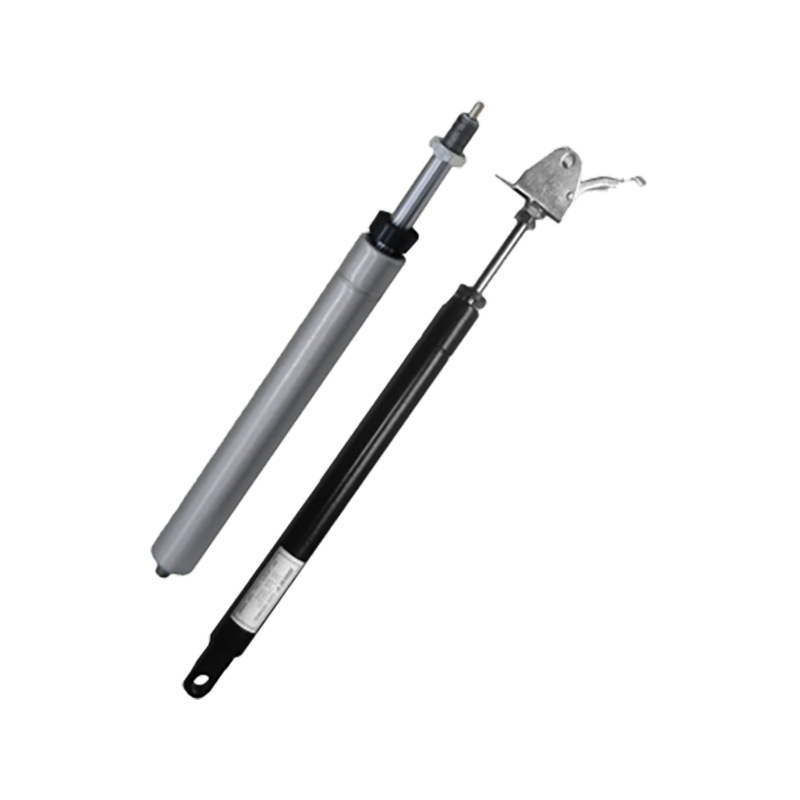
A gas spring, also known as a gas-pressure spring or gas assist spring, is a mechanical device that generates force by compressing gas in a closed chamber. It typically consists of a cylinder, a piston, seals, and a gas valve. The gas spring operates by adjusting the pressure of the gas, which compresses and expands to provide force in return.
Unlike traditional metal springs that rely on elastic properties, gas springs utilize the pressure changes in the enclosed gas to exert force. When the gas spring is compressed, the pressure increases, and this pressure generates a force that resists the compression. By adjusting the amount of gas and pressure inside, the force of the gas spring can be precisely controlled to meet different needs.
How Do Gas Springs Work?
Gas springs rely on the compression and expansion of gas to generate force. Here's a step-by-step look at the working process:
- Compression of Gas: When one end of the gas spring is compressed, the gas inside is forced to compress, increasing the pressure and the force exerted. The reaction force of the gas spring increases until it reaches the maximum level.
- Expansion of Gas: When the external force diminishes or changes direction, the gas expands, reducing pressure and the spring's reaction force. This expansion helps to restore objects to their original position or apply a gentler force.
- Adjustable Gas Springs: The unique feature of adjustable gas springs is their ability to alter the internal gas pressure. By adjusting the gas pressure, users can fine-tune the force exerted by the spring. This offers more flexibility than traditional springs.
Difference Between Adjustable and Traditional Gas Springs
Traditional gas springs typically provide a fixed pressure for force generation and cannot be adjusted. In contrast, adjustable gas springs are more flexible, with internal mechanisms allowing users to adjust the gas pressure for different levels of force. This flexibility makes adjustable gas springs suitable for a variety of complex applications.
Adjustable gas springs offer multi-directional force control, unlike standard models that can only support one direction. For example, in machinery where precise opening or closing speed is required, users can adjust the force to ensure smooth operation, enhancing both efficiency and safety.
Part 2: Benefits of Adjustable Gas Springs
Precise Adjustment Functionality
One of the key advantages of adjustable gas springs is their precision in force adjustment. Unlike traditional mechanical springs, gas springs provide more control over their action. By adjusting the internal gas pressure, users can fine-tune the force output for different applications. Whether used for slow and controlled movements or requiring higher support for heavy machinery, adjustable gas springs meet varying demands with accuracy.
For instance, in the design of office chairs, adjustable gas springs can modify the seat height to accommodate the user's weight and preferences. This precision in adjustment makes gas springs essential in designs that prioritize user comfort.
Improved Operational Comfort
Adjustable gas springs significantly enhance comfort, particularly in devices that require frequent adjustments. For example, in office furniture, medical beds, or other adjustable equipment, users can modify the height or angle to suit their personal preferences, improving ergonomic comfort.
In medical beds, gas springs help patients easily adjust their position without requiring assistance, providing a better recovery experience. Similarly, in office chairs, users can adjust the gas spring to set a height that relieves pressure on the spine, preventing discomfort during prolonged sitting.
Energy Efficiency and Environmental Benefits
Compared to traditional mechanical springs, gas springs are more energy-efficient. The gas within the spring generates the force required for operation, reducing the need for external power sources. This self-contained energy system makes gas springs more environmentally friendly by consuming less electricity and reducing the carbon footprint of operating machinery.
Furthermore, gas springs have a longer lifespan and require less maintenance compared to other types of springs. Their sealed design means they are less likely to need frequent part replacements or maintenance, lowering overall operating costs.
Part 3: Applications of Gas Springs
Industrial Applications
Gas springs are widely used in the industrial sector, particularly in automated production lines and heavy machinery. Gas springs help achieve precise mechanical control, reducing wear and tear on machinery and improving operational efficiency.
For example, in heavy equipment, gas springs can facilitate smooth elevation and lowering operations, which improves productivity and reduces human error. In manufacturing environments, gas springs can support the movement and adjustment of production line components, ensuring consistency and safety.
Furniture Applications
In the furniture industry, gas springs are widely used in adjustable furniture. Common applications include office chairs, beds, sofas, and cabinets. Gas springs enhance the user experience by making furniture more comfortable and flexible, allowing easy height and position adjustments.
Modern office chairs almost universally use gas springs to enable users to adjust the seat height, promoting comfort and ergonomic support. This flexibility allows users to find the ideal sitting posture, reducing strain and discomfort.
Automotive Applications
Gas springs are also employed in the automotive industry, such as in car seats and trunk lid mechanisms. In automotive seating, gas springs help adjust the seat height and angle, ensuring comfort for a wide range of users.
Additionally, in car trunks, gas springs assist in the smooth operation of trunk lids, making it easier for users to open and close them. The adjustable nature of gas springs provides both ease of use and enhanced durability.
Medical Equipment Applications
Gas springs play an important role in medical devices, particularly in beds and patient chairs. In medical beds, gas springs enable easy adjustment of the bed's position, allowing for better patient comfort and convenience.
Gas springs are also used in medical chairs to help patients find the optimal seating position during treatment or recovery. These applications improve both the quality of care and the patient's overall comfort.
Part 4: How to Install Adjustable Gas Springs
Preparation Steps
Before installing a gas spring, there are several steps to take to ensure proper installation and maximum performance:
- Check the Specifications: Make sure the gas spring is suitable for the intended application. The size and force required must match the device or structure where it will be installed.
- Verify Gas Pressure: For adjustable gas springs, ensure the internal gas pressure is appropriate for the device’s requirements. This may involve adjusting the gas pressure to fit specific needs.
- Inspect the Gas Spring: Check the gas spring for any visible damage, such as cracks or leaks. Damaged gas springs should not be installed as they could affect performance and safety.
- Confirm the Installation Location: Ensure the installation location is suitable and can support the gas spring’s full range of motion, especially when space is limited.
Installation Steps
The installation of adjustable gas springs is relatively straightforward but must be done carefully. Here are the general steps:
- Locate the Installation Holes: Drill holes in the support components of the equipment to fit the gas spring. Ensure the holes are the right size to accommodate the gas spring's mounting components.
- Attach the Gas Spring: Secure one end of the gas spring to one support component, using bolts or other fastening mechanisms. Ensure the gas spring is firmly attached.
- Secure the Other End: Attach the other end of the gas spring to the corresponding support component, following the same procedure as above. Ensure both ends are firmly secured.
- Adjust Gas Pressure: For adjustable gas springs, set the desired pressure by adjusting the internal valve. This will ensure the gas spring exerts the required force.
- Inspect and Test: After installation, inspect the installation to make sure the gas spring is secure. Test the device to ensure the gas spring operates smoothly and within the desired range.
Common Issues and Solutions
Here are some common installation and usage issues and their solutions:
- Weak Gas Spring Force: If the gas spring appears to lack sufficient force, it may be due to low gas pressure. Adjust the gas pressure valve to increase the internal pressure.
- Loose Installation: If the gas spring is not firmly installed, check the bolts or fastening mechanisms and ensure everything is tightly secured.
- Gas Leaks: If the gas spring is leaking, it may be due to a damaged seal. Replace any damaged seals and check for proper sealing.
- Excessive Movement: If the gas spring is excessively extending or retracting, check if it is the right model for the application. Incorrect installation or mismatched specifications can cause this issue.
Part 5: Types of Gas Springs and How to Choose
By Function
- Single-Action Gas Springs: These gas springs can only adjust the pressure in one direction. They are commonly used in applications where force is needed in only one direction, such as office chairs or door mechanisms.
- Dual-Action Gas Springs: These gas springs can adjust the pressure in both directions, making them ideal for applications requiring more precise control, such as high-end adjustable seating or complex machinery.
- Non-Adjustable Gas Springs: These gas springs have a fixed pressure and cannot be adjusted. They are used in applications that don’t require force adjustment, such as simple furniture or doors.
By Design
- Sliding Gas Springs: The most common type, where the piston slides within the cylinder to generate force. Used in applications requiring stable support and an adjustable range.
- Spiral Gas Springs: These springs use a spiral structure to generate force. They are more precise and are used in applications like medical devices or aerospace equipment.
- Compression Gas Springs: These gas springs generate force by compressing the gas. They are used in short-range, rapid adjustment applications.
Choosing the Right Gas Spring
When selecting a gas spring, consider the following factors:
- Application Type: Choose a gas spring that is designed for the specific environment, such as heavy-duty industrial machinery or ergonomic office furniture.
- Required Force: Choose a gas spring with the appropriate force rating to suit the load or application needs. Gas springs are available with varying force specifications.
- Space Considerations: The installation space affects the choice of gas spring. Ensure the gas spring's dimensions and mounting type fit the available installation area.
Conclusion
Adjustable gas springs are efficient, flexible mechanical components that play a vital role in a wide range of applications across various industries. From industrial equipment to furniture design, automotive seating to medical devices, gas springs are essential for providing precise force control, improving comfort, and ensuring smoother operations. With continued technological advancements, gas springs will only become more versatile and widely used in the future.


- Contact Info
-
-
 Phone+86-15950656125
 -
 Email
Email -
 AddressRoom 1007-1, South Building, Suyue Plaza, Suzhou Industrial Park, Suzhou City, Jiangsu Province, China
-
- Products
- Follow Us
- Need help? Please contact us
Copyright ©
SuZhou Skyhone Intelligent Technology Co., Ltd.
All Rights Reserved.
Privacy
Custom Ergonomic Adjustable Office Tables Manufacturers

