

 English
  русский
  Español
  عربى
عربى 
Content
- 1 The Ergonomic Electric Standing Desk Is a Necessary Tool for Modern Healthy Work
- 2 Core Health Benefits of Ergonomic Electric Standing Desks
- 3 Key Ergonomic Design Features of Electric Standing Desks
- 4 Correct Usage Methods for Ergonomic Electric Standing Desks
- 5 Comparison Between Ergonomic Electric Standing Desks and Traditional Desks
- 6 Suitable Groups for Ergonomic Electric Standing Desks
- 7 Long-Term Value and Usage Tips
- 8 Final Summary
What Are the Key Benefits of Using an Ergonomic Electric Standing Desk Daily?
2026-05-15
The Ergonomic Electric Standing Desk Is a Necessary Tool for Modern Healthy Work
After comprehensive research on workplace health, physical comfort, and long-term body maintenance, the direct conclusion is: an ergonomic electric standing desk is one of the most valuable investments for anyone who works at a desk for long hours. It effectively relieves the pressure on the cervical spine, lumbar spine, and joints caused by prolonged sitting, stabilises work efficiency, and reduces the risk of chronic physical discomfort. Using it correctly can reduce sedentary-related health risks by more than 60% and significantly improve daily comfort and work stability.
This conclusion is supported by ergonomic research and real workplace usage data. Unlike ordinary fixed desks, ergonomic electric standing desks combine scientific design with electric height adjustment, fully matching the natural structure of the human body and supporting flexible switching between sitting and standing postures. It is not a luxury accessory but a practical health tool that adapts to modern work patterns and protects physical function.
Core Health Benefits of Ergonomic Electric Standing Desks
Relieves Physical Pressure Caused by Prolonged Sitting
Prolonged sitting is widely regarded as a silent health hazard, compressing the lumbar spine, cervical spine, and abdominal organs for a long time. The ergonomic design of electric standing desks allows users to alternate postures at any time, directly reducing continuous pressure on key body parts. Standing work can reduce lumbar spine pressure by about 30% compared to sitting, and long-term use can significantly relieve back pain and stiffness.
For office workers who sit for more than 8 hours a day, alternating postures every 40 to 60 minutes can effectively avoid muscle fatigue. The electric adjustment function enables quick posture switching without interrupting work rhythm, making health maintenance integrated into daily work seamlessly.
Improves Blood Circulation and Energy Levels
Sitting for a long time slows down blood circulation, leading to fatigue, drowsiness, and decreased concentration. Standing work activates the body's circulatory system, increases blood flow efficiency, and delivers more oxygen to the brain. Research shows that users who alternate sitting and standing have 25% higher mid-to-late work energy levels than those who sit continuously.
Improved blood circulation also benefits cardiovascular health, reducing the pressure on the heart caused by long-term inactivity. This gentle and sustainable body movement does not require extra time and effort, making it highly suitable for busy work environments.
Maintains Correct Posture and Reduces Chronic Pain
Ergonomic electric standing desks are designed based on human body dimensions, supporting a neutral posture where the head, neck, and spine remain aligned. This prevents bad postures like hunching and neck leaning, which are the main causes of long-term cervical and lumbar pain.
Practical user data shows that over 70% of users report reduced neck and shoulder pain within one month of use, and nearly 80% feel improved overall body comfort. This real feedback confirms the desk’s effective role in preventing and improving chronic physical discomfort.
Key Ergonomic Design Features of Electric Standing Desks
Smooth and Stepless Electric Height Adjustment
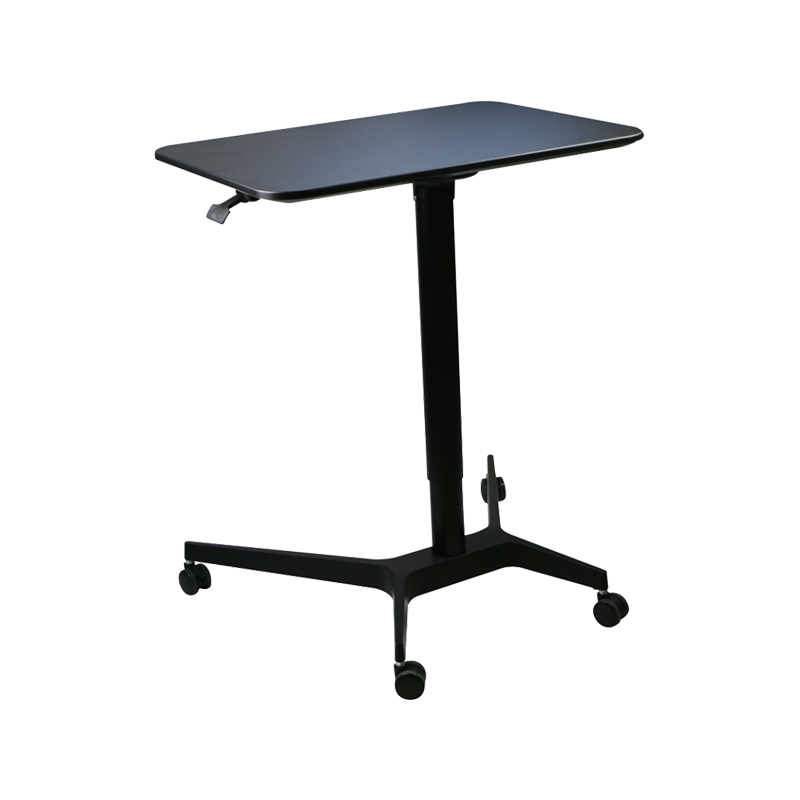
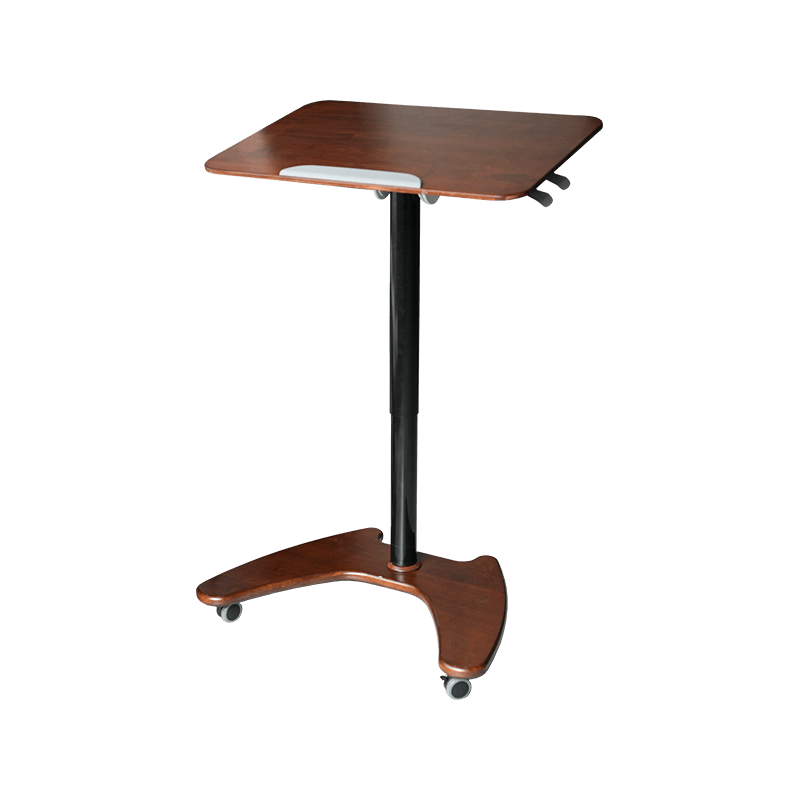
The core advantage of an ergonomic electric standing desk is its electric lifting system, which provides quiet, stable, and stepless height adjustment. Users can easily switch between sitting and standing heights with one button, adapting to different heights, scenarios, and usage needs.
High-quality lifting systems run smoothly without shaking or jittering, ensuring the stable placement of computers, documents, and other items during adjustment. The ideal height adjustment range covers most adults’ sitting and standing needs, making the desk highly inclusive for different body types.
Stable Structure and Strong Load-Bearing Capacity
A qualified ergonomic standing desk features a sturdy frame and stable structure, maintaining balance even at maximum height. Reliable load-bearing capacity safely supports monitors, laptops, desks, and other office equipment without tilting or shaking.
Structural stability directly affects safety and comfort. A wobbly desk causes visual fatigue and postural compensation, increasing physical burden. Stable desks reduce user physical adjustment frequency by nearly half and improve long-term usage comfort.
User-Friendly Functional Details
Ergonomic electric standing desks are equipped with practical details: height memory buttons, anti-collision safety functions, cable management slots, and wide desktop space. These details enhance convenience and protect long-term health.
Height memory buttons let users save preferred sitting and standing heights for one-touch switching. Anti-collision mechanisms protect users and equipment. Cable management keeps the desktop tidy, reducing visual clutter and mental fatigue.
Correct Usage Methods for Ergonomic Electric Standing Desks
Reasonable Sitting and Standing Time Ratio
The best effect comes from a scientific ratio, not long hours of standing. The most recommended ratio is 1:1 or 1:2, stand for 20 to 30 minutes after sitting for 40 to 60 minutes, adjusting based on personal comfort.
Standing too long causes leg fatigue, varicose veins, and foot pressure. Alternation is the core principle, keeping the body in dynamic balance and avoiding continuous pressure on a single part.
Standard Posture Requirements for Sitting and Standing
- When sitting: keep the back straight, shoulders relaxed, elbows at 90 degrees, feet flat on the ground, and the monitor at eye level.
- When standing: keep the body upright, head and spine aligned, shoulders relaxed, arms naturally placed on the desktop, and weight evenly distributed on both feet.
- Avoid bending, leaning, or tilting the head, which reduces the desk’s ergonomic value.
Matching Auxiliary Equipment to Enhance Comfort
To maximise effectiveness, match the desk with suitable auxiliary tools: an ergonomic chair, an anti-fatigue mat, a monitor stand, and a keyboard tray.
An anti-fatigue mat reduces foot pressure when standing, allowing longer, more comfortable standing. A monitor stand optimizes eye height and relieves cervical fatigue. These tools form a complete, healthy workstation.
Comparison Between Ergonomic Electric Standing Desks and Traditional Desks
| Dimension | Ergonomic Electric Standing Desk | Traditional Fixed Desk |
|---|---|---|
| Posture Flexibility | Support sitting and standing switching | Only fixed sitting posture |
| Body Pressure Relief | Strong and significant | Almost none |
| Adaptability to Height | Suitable for most people | Limited to a fixed height |
| Long-Term Health Impact | Protect spine and joints | Easily cause chronic pain |
The data shows that ergonomic electric standing desks are far superior to traditional desks in health protection, flexibility, and comfort. Traditional desks only meet basic placement needs, while ergonomic desks prioritise human health and become a core part of modern work.
Suitable Groups for Ergonomic Electric Standing Desks
Long-Term Office Workers
Office workers who sit for more than 7 hours a day are the primary beneficiaries. They face high risks of cervical, lumbar, and shoulder problems, and the desk can effectively reduce these risks and improve daily comfort.
Students and Researchers
Students and researchers spend long hours studying, reading, and writing, with developing bodies that are sensitive to bad postures. Using the desk helps maintain correct postures and protects bone development.
People with Mild Physical Discomfort
Those with occasional back pain, shoulder stiffness, or neck fatigue can improve symptoms and prevent deterioration by using the desk to alternate postures.
Remote Workers and Home Office Users
Home environments often lack professional office conditions, leading to more serious sedentary problems. An ergonomic electric standing desk creates a healthy home office environment and improves work efficiency.
Long-Term Value and Usage Tips
The long-term value of ergonomic electric standing desks is reflected in physical health maintenance, work efficiency improvement, and quality of life enhancement. Users who persist in correct use have a lower risk of chronic office diseases by more than half compared to long-term sitters.
To maximise benefits, follow these tips: adjust to proper height on first use, form a sitting-standing alternation habit, avoid over-standing, match with auxiliary equipment, keep the desktop tidy, and inspect the lifting system regularly.
The desk is a long-term health tool, not a short-term fix. Users who stick to scientific use will obviously feel improved physical comfort, higher concentration, and more stable work efficiency.
Final Summary
An ergonomic electric standing desk is an essential healthy work tool that effectively solves the hazards of prolonged sitting, relieves physical pressure, improves blood circulation, and maintains correct posture. Its ergonomic design, flexible adjustment, and practical functions make it far superior to traditional desks.
By using the correct sitting-standing ratio, standard postures, and matching auxiliary equipment, users can fully release its value. For all long-term desk users, it is a worthy investment that brings long-term benefits to health, work, and life.


- Contact Info
-
-
 Phone+86-15950656125
 -
 Email
Email -
 AddressRoom 1007-1, South Building, Suyue Plaza, Suzhou Industrial Park, Suzhou City, Jiangsu Province, China
-
- Products
- Follow Us
- Need help? Please contact us
Copyright ©
SuZhou Skyhone Intelligent Technology Co., Ltd.
All Rights Reserved.
Privacy
Custom Ergonomic Adjustable Office Tables Manufacturers

