

 English
  русский
  Español
  عربى
عربى 
How does a furniture electric linear actuator work?
2026-08-17
A furniture electric linear actuator is an electromechanical device that converts rotational motion into linear motion, serving as the core driving force behind modern adjustable furniture. By providing smooth, quiet, and precise movement, these actuators enable the dynamic functionality of standing desks, adjustable beds, ergonomic recliners, and smart seating, fundamentally transforming static furniture into interactive, health-promoting living environments.
Operational Principles and Core Components
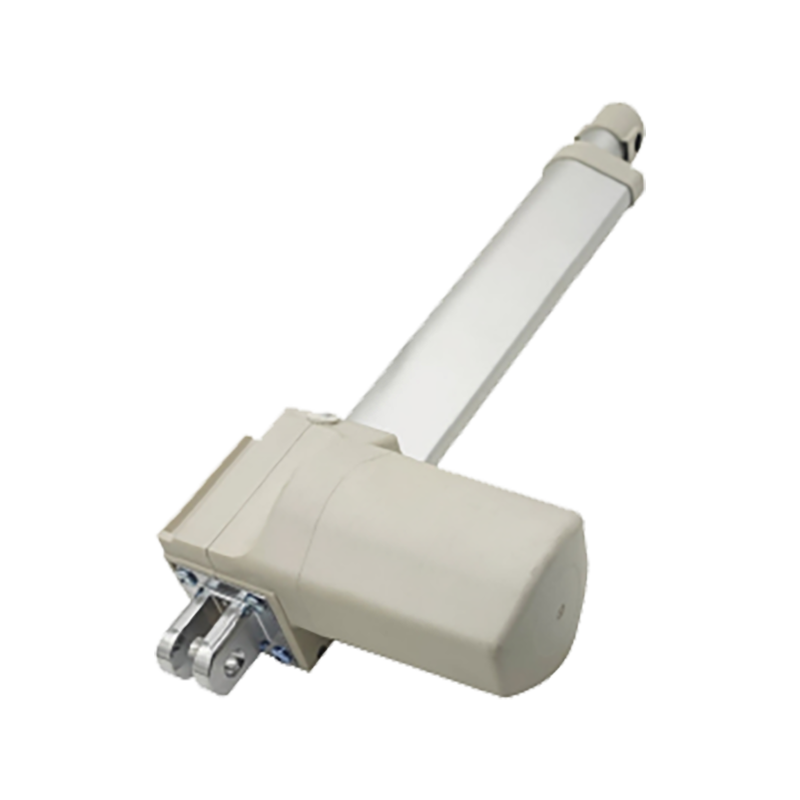
The fundamental operation of a furniture electric linear actuator relies on a straightforward yet highly efficient mechanical principle. At its core, the device utilizes a low-voltage direct current (DC) motor to generate rotational force. This rotational energy is then transferred through a gearbox, which reduces the speed while proportionally increasing the torque. The augmented torque drives a lead screw or a belt mechanism, which in turn pushes or pulls a piston rod (the inner tube) housed within an outer protective tube. The conversion of high-speed rotation into slow, powerful linear thrust allows the furniture component to move smoothly without sudden jerks.
Essential Mechanical Elements
- Drive Motor: Typically a 12V or 24V DC motor, chosen for its reliability, compact size, and ability to deliver consistent power without excessive heat generation.
- Gear Assembly: Often constructed from durable metal or high-grade engineered plastics to balance noise reduction with structural integrity under load.
- Lead Screw and Nut: The critical interface where rotational torque becomes linear force. The pitch of the screw determines the speed and load capacity trade-off.
- Limit Switches: Built-in mechanisms that automatically cut power when the actuator reaches its fully extended or retracted position, preventing mechanical damage.
Primary Applications in Modern Furniture
The integration of electric linear actuators has revolutionized how we interact with home and office environments. They allow users to customize their furniture to their exact ergonomic needs at the touch of a button, promoting better posture and comfort. Below is a comparison of how these actuators are applied across different furniture categories.
| Furniture Type | Primary Movement | Key User Benefit |
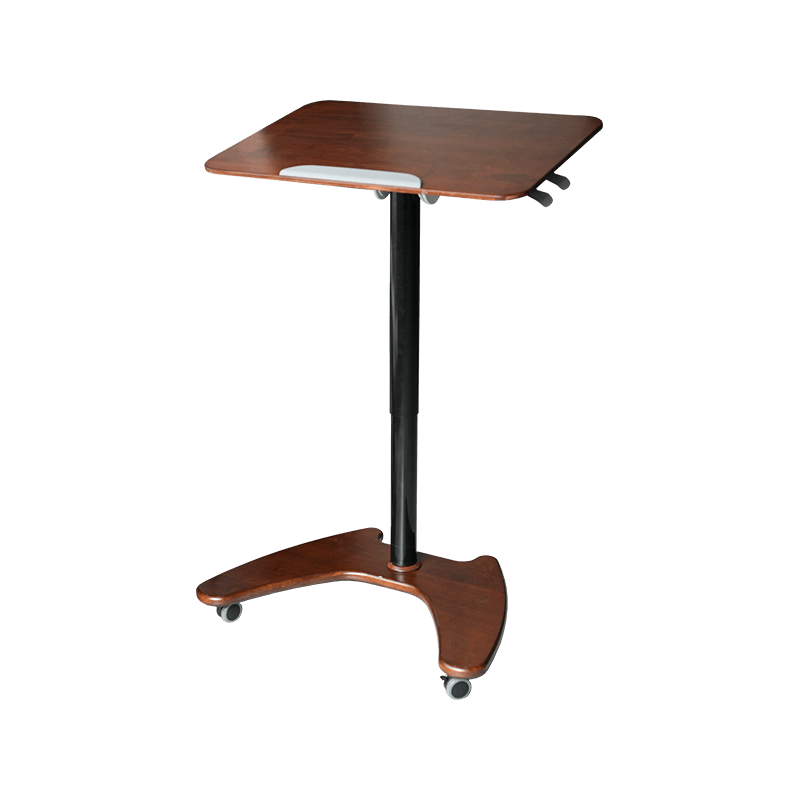
| Adjustable Standing Desk | Vertical height adjustment of the worksurface | Reduces sedentary behavior and back pain |
| Adjustable Bed Base | Articulation of head and foot sections | Improves circulation and reduces snoring |
| Ergonomic Recliner | Independent backrest and footrest adjustment | Provides customized relaxation and pressure relief |
| Smart TV Cabinet | Vertical lifting mechanism for hidden displays | Saves space and protects equipment when not in use |
Critical Technical Considerations
When evaluating or integrating a furniture electric linear actuator, several technical metrics dictate the overall performance and user experience. Understanding these parameters is crucial for ensuring that the furniture operates safely and efficiently over its intended lifespan.
Load Capacity and DynamicsThe actuator must handle the static weight of the furniture component plus any dynamic load from the user. For a dual-motor standing desk, each actuator typically needs to support half of the maximum load capacity, factoring in a safety margin to prevent motor burnout during rapid adjustments. |
Noise Level and Acoustic ProfileAcoustic comfort is paramount in home environments. Modern actuators achieve low noise levels through optimized gear tooth profiles and synthetic lubricants. High-quality actuators operate below 50 decibels, ensuring that furniture movement does not disrupt conversation or sleep. |
Speed and Acceleration CurvesSpeed must be balanced against load capacity. While faster speeds are desirable for convenience, rapid acceleration can cause furniture contents to shift or spill. Smooth start and stop algorithms are often integrated into the control units to ensure gradual velocity changes. |
Duty Cycle and Thermal ManagementThe duty cycle defines how long an actuator can run before requiring a rest period to cool down. Continuous operation beyond this rating leads to overheating. Efficient thermal management within the motor housing is essential to extend the operational window without compromising component longevity. |
Synchronization and Control Systems
In larger furniture applications, such as wide standing desks or heavy adjustable beds, multiple linear actuators must work in perfect harmony. If one actuator moves faster or encounters higher resistance, the furniture can twist, bind, or become permanently misaligned. To prevent this, advanced synchronization control systems are employed.
These systems utilize Hall effect sensors installed inside each actuator. These sensors constantly monitor the rotational speed and position of the motor shafts, sending real-time data back to a central control box. The control box uses this data to adjust the power supplied to each motor, ensuring they extend and retract at identical speeds. This closed-loop feedback mechanism maintains alignment within fractions of a millimeter, guaranteeing smooth and level operation regardless of uneven weight distribution on the furniture surface.
User Interface and Smart Integration
- Membrane Keypads: Simple, easy-to-clean interfaces that offer basic up and down commands, often including preset memory positions for individual users.
- Wireless Remotes: Utilizing radio frequency or Bluetooth technology to control the furniture from a distance, highly beneficial for adjustable beds.
- Smartphone Applications: Allowing users to control movement, set schedules, and even track their sitting or standing time throughout the day.
- Voice Control Integration: Connecting the furniture's control box to smart home ecosystems, enabling hands-free adjustments through voice commands.
Design and Integration Considerations
The physical design of a furniture electric linear actuator must seamlessly integrate into the furniture's aesthetic and structural framework. Designers face the challenge of hiding bulky mechanical components while maintaining accessibility for maintenance. The outer tubes of modern actuators are often colored to match common furniture materials, such as black, white, or aluminum silver, and are shaped to be as compact as possible.
Furthermore, the mounting brackets at the ends of the actuator are critical. They must allow for slight angular movements (clevis mounts) to accommodate the changing geometry of the furniture as it articulates. Rigid mounting points can cause stress concentrations that eventually lead to metal fatigue or actuator failure. The power supply unit and control box also require strategic placement to minimize visible wiring while ensuring adequate ventilation to dissipate heat generated during operation.
Future Innovations in Smart Furniture Movement
The evolution of the furniture electric linear actuator is moving towards greater intelligence and energy efficiency. Future developments are expected to incorporate energy harvesting technologies, where the actuator generates and stores electricity during the downward movement of a desk or bed (regenerative braking), feeding it back into the home grid or a battery bank.
Additionally, predictive maintenance algorithms will become standard. By analyzing the electrical current draw and acoustic signatures of the motor, the control system will be able to detect early signs of wear or lubricant breakdown. This proactive approach will alert users before a failure occurs, dramatically extending the functional lifespan of the furniture and reducing electronic waste. The integration of these advanced technologies ensures that electric linear actuators will continue to play a foundational role in the development of responsive, user-centric living spaces.


- Contact Info
-
-
 Phone+86-15950656125
 -
 Email
Email -
 AddressRoom 1007-1, South Building, Suyue Plaza, Suzhou Industrial Park, Suzhou City, Jiangsu Province, China
-
- Products
- Follow Us
- Need help? Please contact us
Copyright ©
SuZhou Skyhone Intelligent Technology Co., Ltd.
All Rights Reserved.
Privacy
Custom Ergonomic Adjustable Office Tables Manufacturers

