

 English
  русский
  Español
  عربى
عربى 
How does an industrial electric linear actuator improve factory automation?
2026-08-10
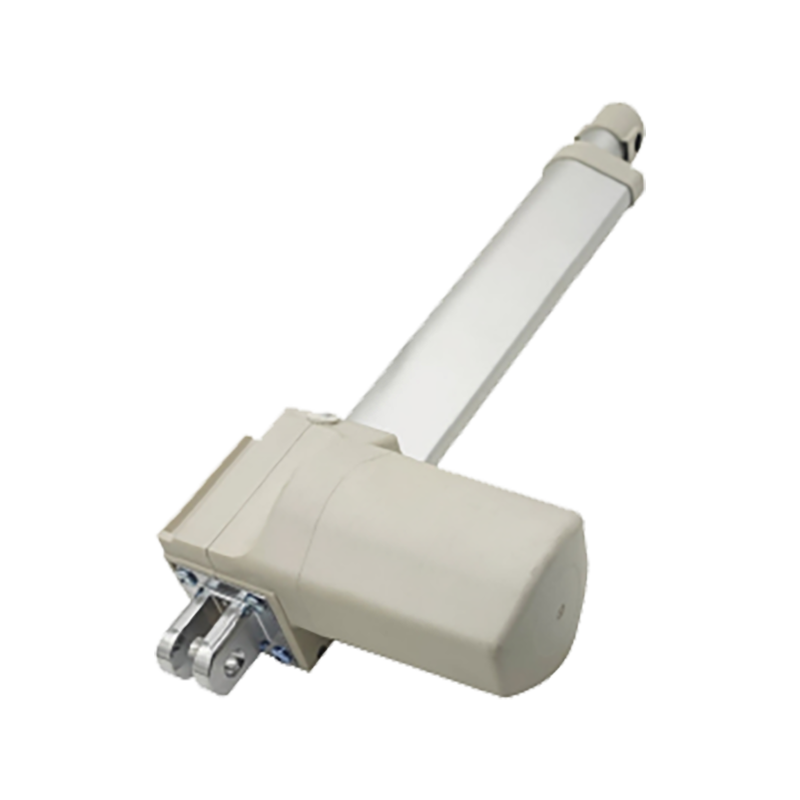
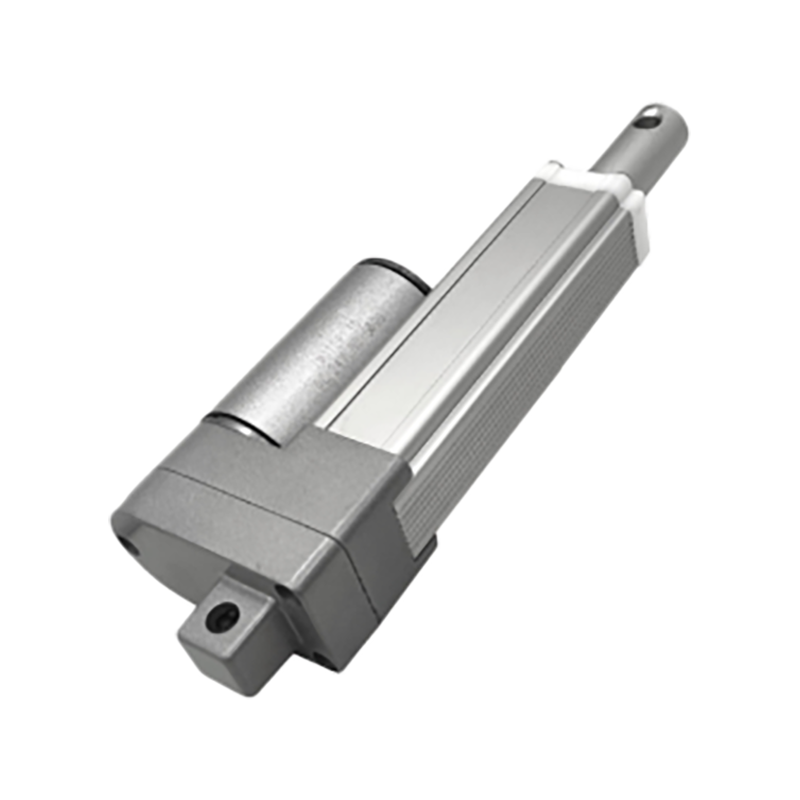
Industrial electric linear actuators stand as the superior choice for modern motion control, offering unmatched precision and energy efficiency compared to traditional hydraulic and pneumatic systems. They are the essential components for businesses seeking to automate processes with high accuracy, minimal maintenance requirements, and clean operation. By converting electric energy into linear motion, these devices provide the fundamental movement required for everything from heavy-duty machinery to delicate robotic arms, proving that electricity is the future of industrial force.
Understanding the Mechanism
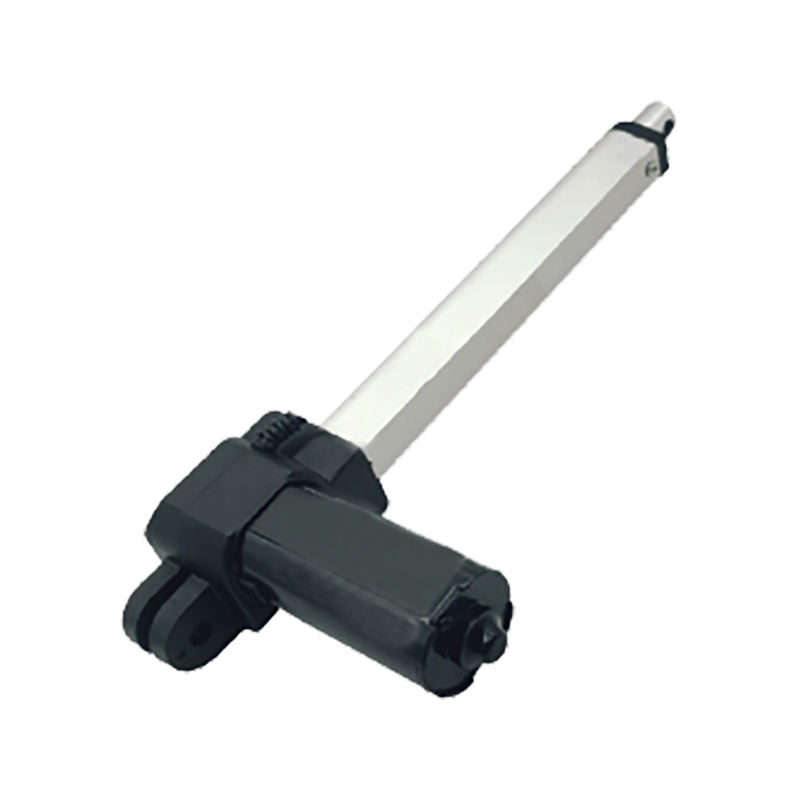
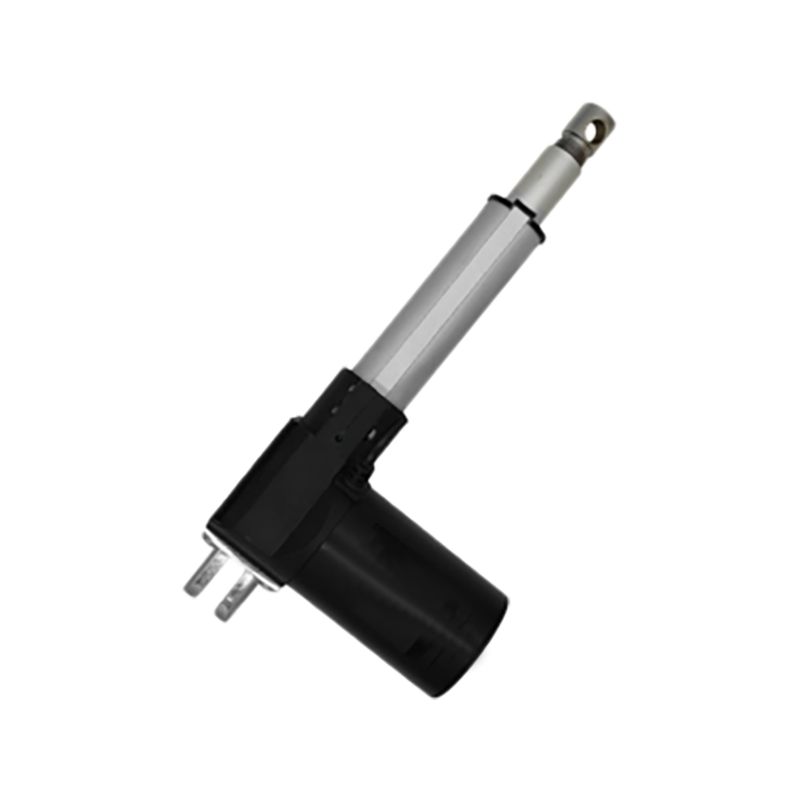
To fully appreciate the utility of an industrial electric linear actuator, one must understand its internal architecture. Unlike rotary motors that spin in a circle, a linear actuator turns that rotation into straight-line movement. This transformation is achieved through a few critical components working in harmony. The electric motor serves as the power source, generating the necessary torque. This rotational force is then transmitted through a coupling mechanism to a lead screw or ball screw.
The screw rotates inside a stationary nut. As the screw turns, the nut is driven along the length of the screw, creating the push or pull motion. This seemingly simple process allows for the movement of heavy loads with remarkable control. The design ensures that the motion is smooth and consistent, eliminating the jerkiness often associated with other actuation methods. For industrial applications, the robustness of these components determines the actuator's ability to withstand high-stress environments and repeated cycling over long periods.
Key Advantages Over Fluid Power Systems
The shift from hydraulic and pneumatic systems to electric linear actuators is driven by several distinct benefits that directly impact productivity and cost-efficiency. While hydraulic systems offer immense power, they come with significant drawbacks regarding maintenance and cleanliness.
Precision and Control
Electric actuators provide superior positioning accuracy. They can stop at specific points with a margin of error that is negligible compared to fluid systems. This precision is vital for applications like assembly lines where components must be placed with exactness. Furthermore, the speed and acceleration can be programmed and adjusted instantly, offering a level of flexibility that is difficult to achieve with compressible fluids like air.
Cleanliness and Environmental Safety
One of the most significant advantages is the elimination of leaks. Hydraulic systems rely on oil, which poses a risk of leakage. Oil leaks can contaminate products, create slip hazards on the factory floor, and require expensive cleanup procedures. Industrial electric linear actuators operate in a closed-loop electrical system, making them the ideal choice for industries with stringent hygiene standards, such as food processing and pharmaceuticals.
Lower Total Cost of Ownership
While the initial investment for electric actuators might be slightly higher than pneumatic alternatives, the long-term savings are substantial. They do not require the extensive plumbing, pumps, or air compressors that fluid systems demand. Additionally, energy efficiency is significantly higher. Electric actuators only consume power when they are moving, whereas compressors often run continuously to maintain pressure. Over the lifespan of the equipment, this energy saving translates into a noticeable reduction in operational expenses.
Critical Selection Criteria
Selecting the right actuator for a specific task involves more than just picking a model; it requires a careful analysis of several factors to ensure longevity and performance. Ignoring these parameters can lead to premature failure or insufficient force.
Load and Force Requirements
The primary consideration is the amount of force the actuator needs to exert. This involves calculating the weight of the load and any additional friction or resistance it must overcome. It is advisable to select an actuator with a force rating higher than the calculated requirement to provide a safety buffer. For example, if an application requires moving a 500kg load, choosing an actuator rated for 750kg or more ensures reliability under variable conditions.
Speed and Duty Cycle
Speed and force have an inverse relationship in many actuator designs. Faster speeds often result in lower force output, and vice versa. The duty cycle—how long the actuator runs versus how long it rests—is equally important. Industrial environments often demand high duty cycles. Pushing an actuator beyond its thermal limits can cause overheating and failure. Therefore, understanding the cycle time is crucial for selecting a unit with the appropriate thermal management capabilities.
Comparison of Actuator Technologies
When deciding on an actuation method, it is helpful to visualize how the different technologies stack up against each other regarding key performance indicators. The following table outlines the primary differences.
| Feature | Electric | Hydraulic | Pneumatic |
|---|---|---|---|
| Precision | High | Medium | Low |
| Cleanliness | Excellent | Poor (Risk of Leaks) | Good |
| Energy Efficiency | High | Low | Low |
| Maintenance | Low | High | Medium |
| Initial Cost | Medium | High | Low |
Industrial Application Scenarios
The versatility of industrial electric linear actuators allows them to be integrated into a vast array of sectors. Their ability to provide controlled motion makes them indispensable in automation.
Manufacturing and Assembly Lines
In automated manufacturing, actuators are used for pressing, clamping, and positioning parts. They ensure that every component is handled with the same level of accuracy every single time, reducing variations in the final product. Whether it is a packaging machine folding boxes or a robotic arm welding a chassis, the linear actuator is the muscle behind the movement.
Material Handling
Conveyor systems utilize these actuators for diverters and stops. They help in sorting packages and managing the flow of goods in logistics centers. Their durability ensures they can operate continuously for thousands of hours without failure, keeping supply chains moving efficiently.
Agricultural Machinery
Modern agricultural equipment relies heavily on automation for tasks like seeding and harvesting. Actuators are used to adjust the height of sprayers or open and close gates on grain tanks. The rugged design of industrial-grade units ensures they can withstand the dust, dirt, and vibration common in outdoor environments.
Maintenance for Longevity
Although electric linear actuators are designed for low maintenance, neglecting basic care can shorten their lifespan. Proper maintenance is not about constant repair, but rather about inspection and prevention.
Regular visual inspections should be conducted to check for physical damage or loose mounting bolts. The external seals should be wiped clean to prevent dust ingress. For units that are not permanently lubricated, periodic greasing of the screw mechanism is necessary to reduce friction. Listening to the actuator during operation is also a valuable diagnostic tool; any grinding or clicking sounds often indicate bearing wear or screw damage, signalling the need for service before a complete breakdown occurs.

- Contact Info
-
-
 Phone+86-15950656125
 -
 Email
Email -
 AddressRoom 1007-1, South Building, Suyue Plaza, Suzhou Industrial Park, Suzhou City, Jiangsu Province, China
-
- Products
- Follow Us
- Need help? Please contact us
Copyright ©
SuZhou Skyhone Intelligent Technology Co., Ltd.
All Rights Reserved.
Privacy
Custom Ergonomic Adjustable Office Tables Manufacturers

