

 English
  русский
  Español
  عربى
عربى 
What is a medical electric linear actuator used for?
2026-08-24
Medical electric linear actuators are the unsung heroes of modern healthcare technology, serving as the core components that enable precise, safe, and reliable movement in a vast array of medical equipment. Unlike standard industrial models, these specialized devices are engineered with a singular priority: patient safety. They convert electrical energy into linear motion, allowing hospital beds, surgical tables, and diagnostic machines to adjust with incredible accuracy. The conclusion is clear: without these high-precision components, the automation and ergonomics that define contemporary patient care would simply not be possible. They ensure that heavy loads can be moved silently and smoothly, minimizing discomfort for patients and reducing physical strain on medical staff.
Defining the Medical Electric Linear Actuator
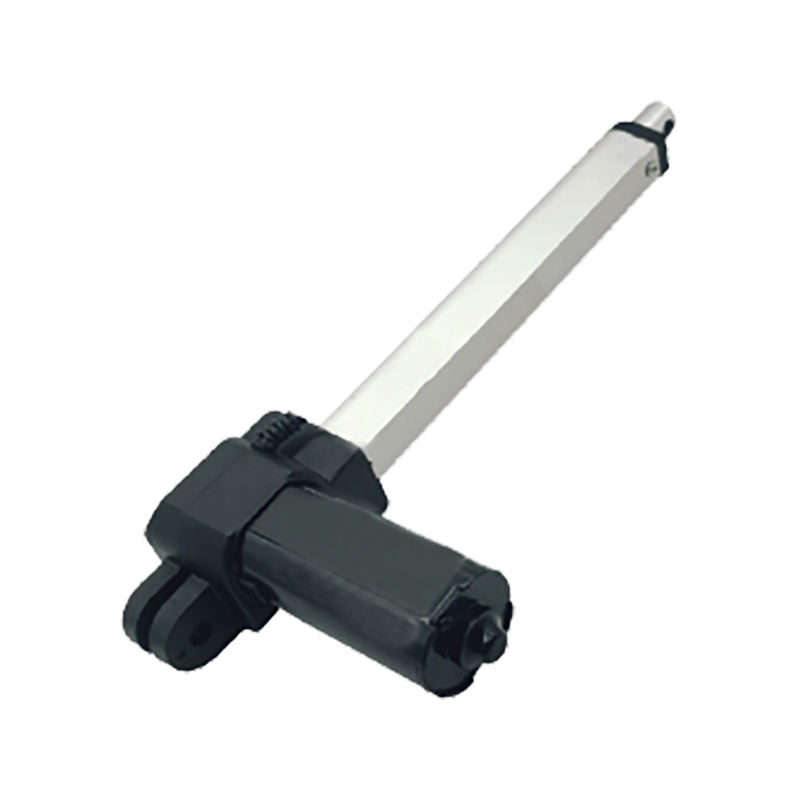
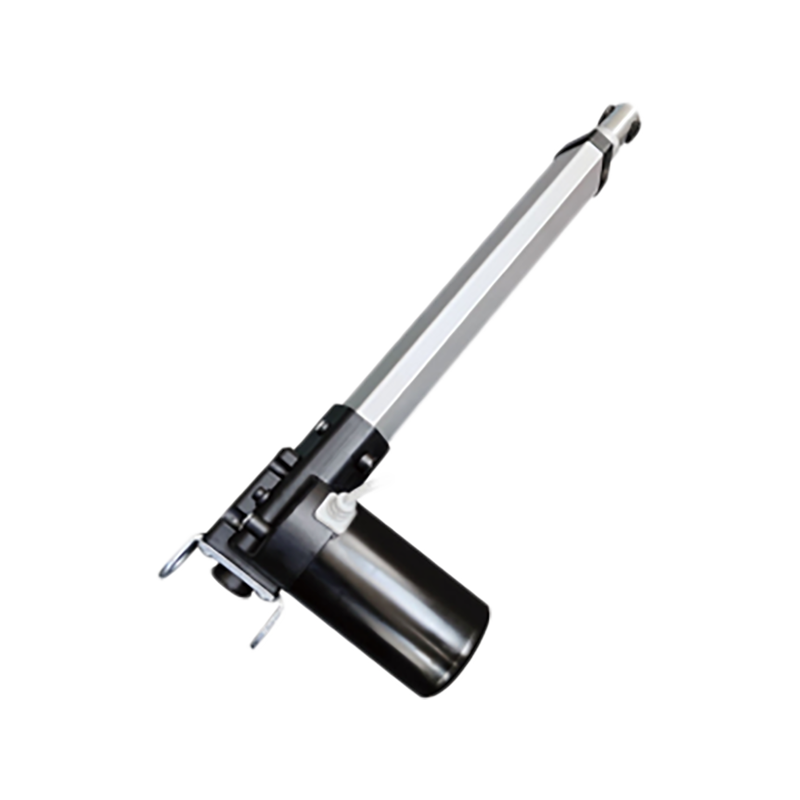
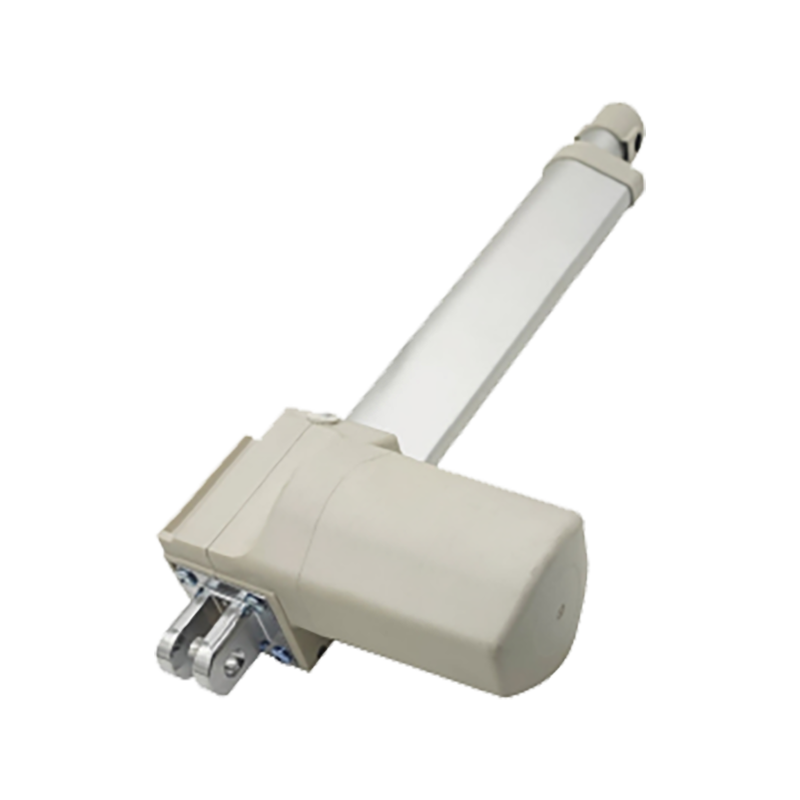
At its most fundamental level, a medical electric linear actuator is a device that creates motion in a straight line, as opposed to the rotational motion of a conventional electric motor. This conversion is achieved through a lead screw or ball screw mechanism driven by a motor. In the context of healthcare, the definition extends far beyond simple mechanics. It encompasses a device that must operate flawlessly in sterile environments, withstand rigorous cleaning processes, and fail safely in the event of a power loss. These actuators are the muscles of medical devices, executing the commands issued by control systems to position patients or equipment with millimeter-level precision.
Core Mechanism of Operation
The operation begins when an electric motor spins a screw inside the actuator housing. A nut on the screw, prevented from rotating with the screw, is forced to move along the thread. This motion extends or retracts a rod, known as the push rod, which is attached to the load. In medical applications, this mechanism is often enclosed in a compact, smooth casing to prevent the accumulation of dust and bacteria, making it significantly different from the open, ruggedized designs found in construction or heavy machinery.
Key Differences from Industrial Actuators
While the basic physics remains the same, the requirements for medical actuators diverge sharply from their industrial counterparts. Industrial actuators prioritize brute force and durability in harsh environments, often tolerating high noise levels and lubricant leaks. In contrast, medical actuators are designed for human interaction. The most significant difference lies in the concept of ""duty cycle."" Industrial machines might run continuously for hours, whereas medical devices, such as a patient lift, operate in short bursts. Furthermore, the failure mode is distinct; an industrial actuator might simply stop working, but a medical actuator must often default to a safe position or maintain its load without dropping the patient.
| Feature | Medical Actuator | Industrial Actuator |
| Noise Level | Ultra-low (under 50dB) | High (often irrelevant) |
| Design Focus | Hygiene & Silhouette | Torque & Durability |
| Safety | Load holding & Manual override | Standard braking |
| Environment | Clean, corrosion-resistant | Dusty, wet, variable |
Essential Features for Healthcare Environments
Designing for the medical sector requires adherence to strict standards that ensure both functionality and patient well-being. Several features are non-negotiable in this context.
Ultra-Quiet Operation
In a hospital ward or a home care setting, noise is a disturbance that can impede patient recovery. Medical actuators are specifically tuned to run silently. Manufacturers achieve this by optimizing the screw geometry and using motors with advanced magnetic designs. The acceptable noise level for these devices is often strictly capped, ensuring that adjusting a bed does not wake a sleeping patient.
High Level of Hygiene and Protection
Hospital equipment is subject to frequent, aggressive cleaning with chemical disinfectants. Consequently, medical linear actuators are designed with high Ingress Protection (IP) ratings. The outer casings are smooth, eliminating crevices where bacteria could hide. The materials used are resistant to corrosion from cleaning fluids, ensuring longevity even under strict hygiene protocols.
Inherent Safety Mechanisms
Safety is the paramount concern. A critical feature is the emergency manual override. If the electronics fail, a nurse or doctor must be able to lower a bed or table manually. Additionally, these actuators feature self-locking mechanisms. When the motor stops, the screw friction locks the load in place instantly, ensuring that a raised bed section does not slowly drift down under the patient's weight.
Primary Applications in Modern Medicine
The versatility of the medical electric linear actuator allows it to be integrated into a wide spectrum of devices. Each application demands a specific balance of speed, force, and stroke length.
- Patient Hoists and Transfer Systems: These devices lift patients from beds to wheelchairs or bathrooms. The actuators here must handle high loads safely and include backup systems to prevent falls.
- Medical Bed Adjustments: Beyond simple height adjustment, actuators control backrest inclination and leg rest positioning. They allow for Trendelenburg and reverse Trendelenburg positions, which are vital for blood circulation management.
- Dental and Ophthalmic Chairs: Precision is key here. A dentist requires minute adjustments to position the patient correctly under a light or drill. The actuators must move smoothly without jerky motions that could cause discomfort during delicate procedures.
- Diagnostic Imaging Machines: CT scanners and MRI tables use linear actuators to slide the patient bed into the scanning gantry. The motion must be extremely steady to avoid motion artifacts in the resulting images.
Technical Considerations for Selection
Choosing the right actuator involves a detailed analysis of the application's physical and environmental demands. Engineers must look beyond the basic force rating to ensure long-term reliability.
| Parameter | Importance Factor |
| Load Capacity | Must exceed patient weight + equipment weight with safety margin. |
| Stroke Length | Determines the range of motion (e.g., bed height variance). |
| Speed | Faster speed often means lower force; trade-off required. |
| Voltage | Low voltage (24V DC) is standard for patient safety. |
Duty Cycle Management
Medical actuators are generally designed for intermittent duty. This means they should not be run continuously for long periods, as the motor can overheat. Understanding the duty cycle—often defined as a ratio of running time to rest time—is crucial. For example, an actuator might be rated for 10% duty, meaning it can run for 6 minutes and must rest for 54 minutes in an hour. Exceeding this can lead to premature failure and safety risks.
Synchronization Capabilities
In applications where multiple actuators lift a single platform, such as a heavy surgical table, synchronization is vital. Without it, the table would tilt, causing instability. Modern medical actuators often include built-in Hall effect sensors that provide feedback to a control box, ensuring that all units extend and retract at the same speed, keeping the surface perfectly level.
Future Trends in Medical Actuation Technology
The field is evolving rapidly, driven by the demand for smarter, more integrated healthcare solutions. The future points towards actuators that are not just movers, but sensors themselves.
- Intelligent Feedback Systems: Future actuators will provide real-time data on load weight, position, and maintenance needs. This allows the hospital maintenance team to predict failure before it happens, a concept known as predictive maintenance.
- Wireless and Battery-Operated: As hospitals move towards wire-free environments to reduce tripping hazards and improve sterility, actuators that run on high-efficiency batteries or wireless power transfer systems are becoming more common.
- Miniaturization: As medical devices become smaller and more portable, actuators must shrink while maintaining their power density. This involves new materials and more compact motor designs.


- Contact Info
-
-
 Phone+86-15950656125
 -
 Email
Email -
 AddressRoom 1007-1, South Building, Suyue Plaza, Suzhou Industrial Park, Suzhou City, Jiangsu Province, China
-
- Products
- Follow Us
- Need help? Please contact us
Copyright ©
SuZhou Skyhone Intelligent Technology Co., Ltd.
All Rights Reserved.
Privacy
Custom Ergonomic Adjustable Office Tables Manufacturers

