

 English
  русский
  Español
  عربى
عربى 
Content
- 1 Understanding the Pneumatic Lift Mechanism
- 2 Health and Productivity Benefits
- 3 Practical Advantages Over Electric and Crank Desks
- 4 Key Factors to Consider When Choosing
- 5 Setting Up an Ergonomic Workspace
- 6 Common Misconceptions Addressed
- 7 Maintenance and Care Tips
- 8 Integrating Movement Into Your Routine
What are the health benefits of a pneumatic height-adjustable desk?
2026-06-15
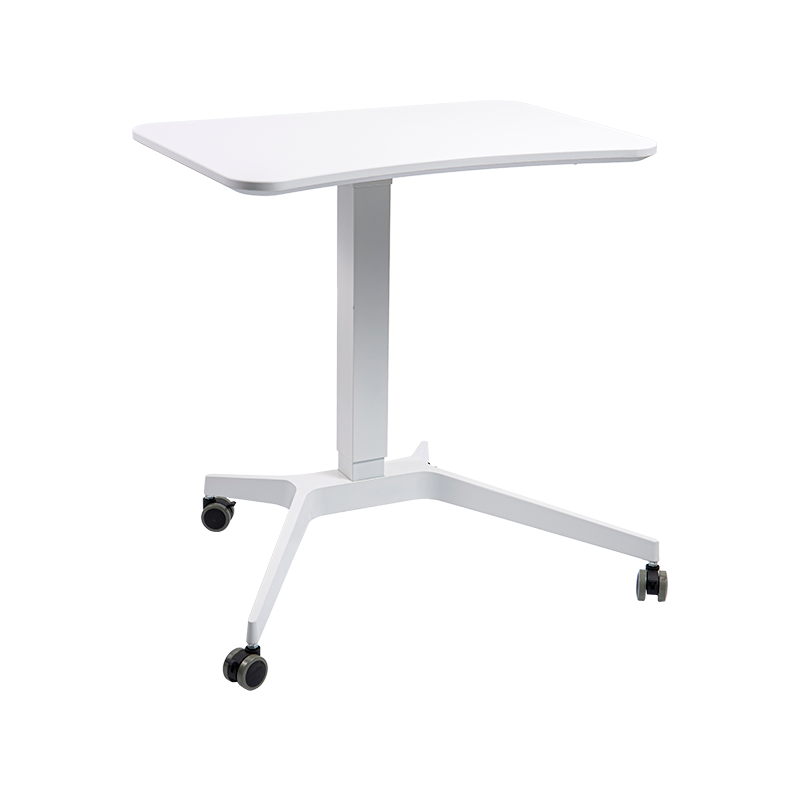
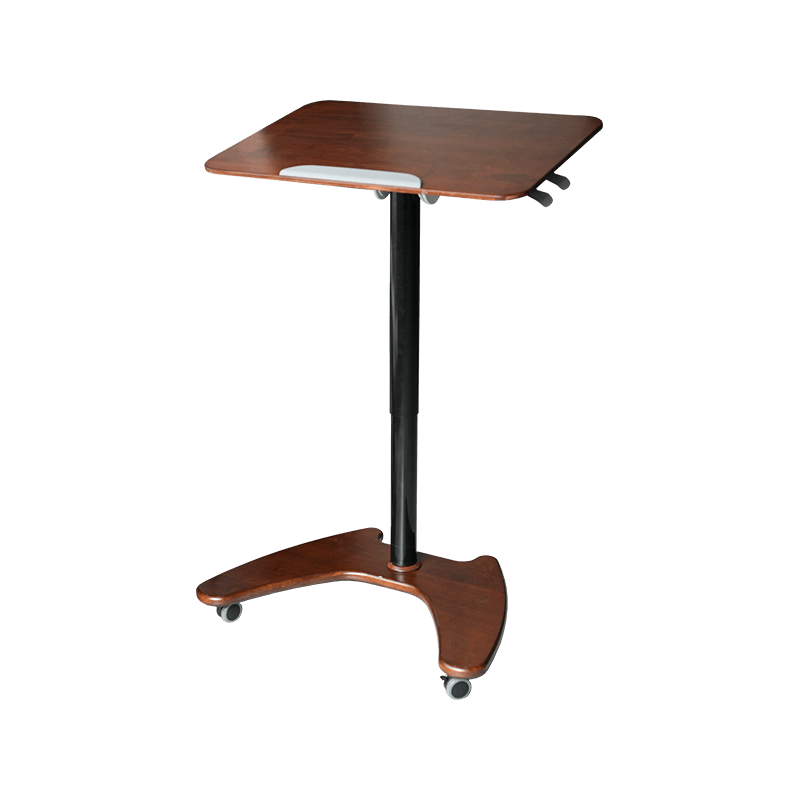
If you are looking for a desk that offers instant, quiet, and cable-free height adjustments, a pneumatic stand-up height-adjustable desk is the optimal choice. Unlike electric desks that rely on motors and power outlets, or manual crank desks that require physical effort and time, pneumatic desks use compressed gas to deliver a seamless transition between sitting and standing. This mechanism ensures that you can adjust your workspace ergonomically in mere seconds, significantly reducing sedentary behavior and boosting overall productivity without the hassle of charging or noisy operation.
Understanding the Pneumatic Lift Mechanism
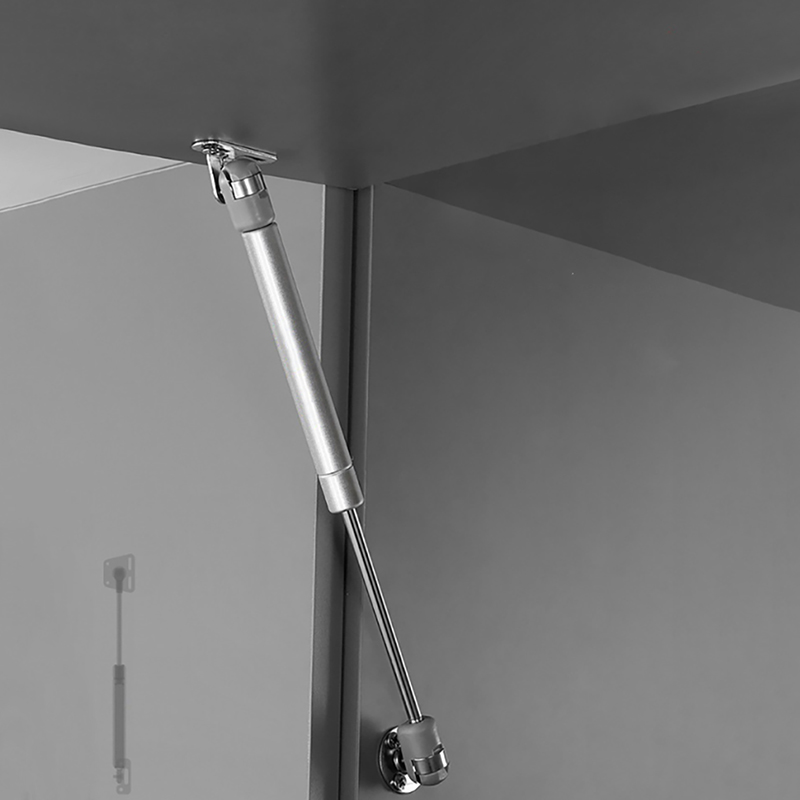
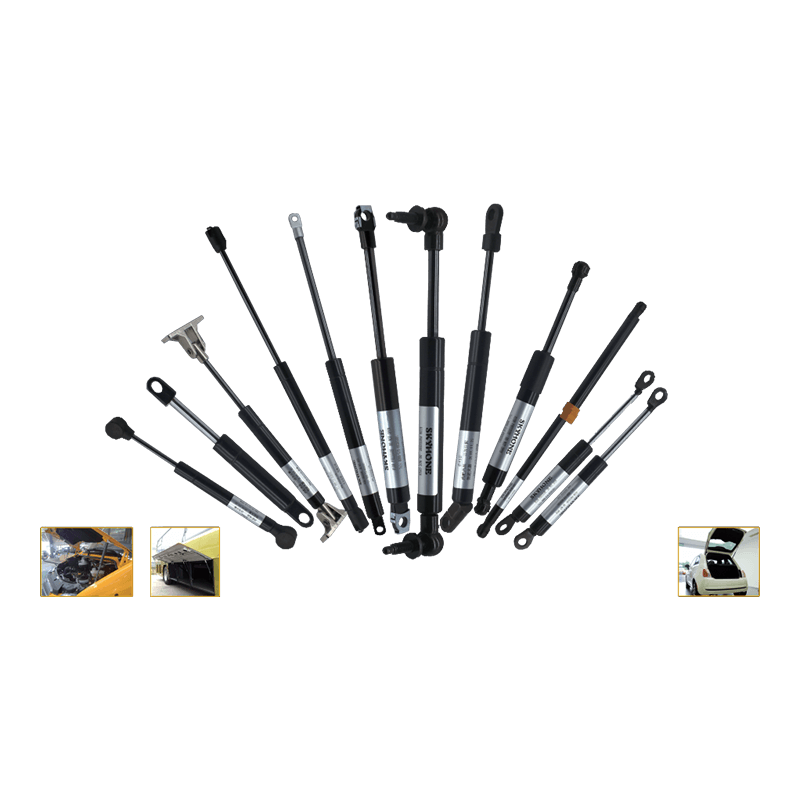
The core of a pneumatic stand-up desk lies in its gas spring system, a technology similar to what is used in office chairs and vehicle hatchbacks. This system utilizes compressed nitrogen gas sealed within a cylinder. When the adjustment lever is engaged, the compressed gas expands, pushing the desk surface upward. To lower the desk, the user applies downward pressure while holding the lever, forcing the gas back into the cylinder.
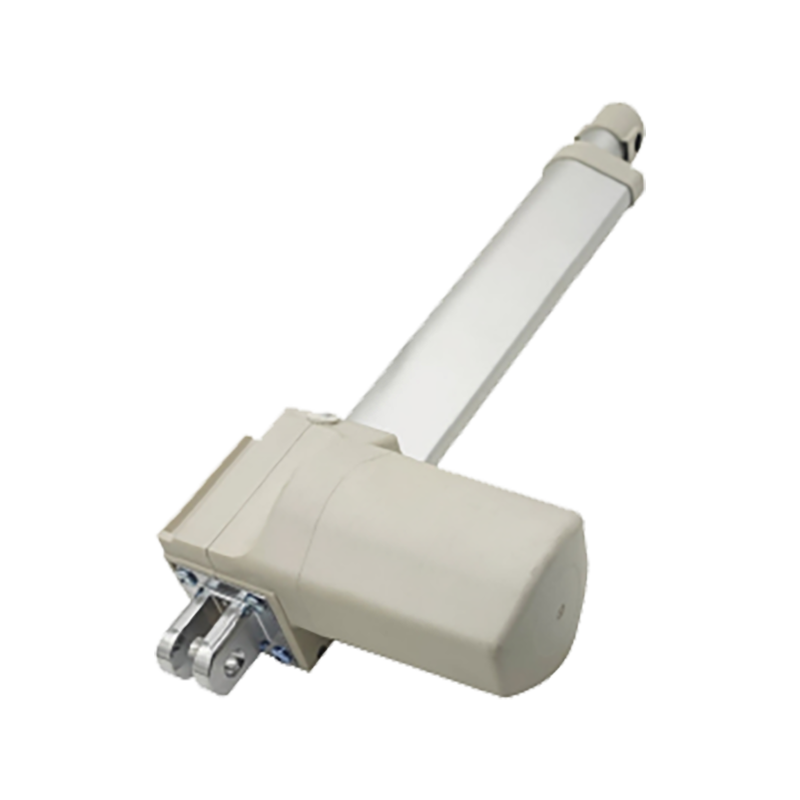
This mechanical simplicity provides several distinct advantages. Because it relies on gas pressure rather than electronic motors, the desk operates completely silently. Furthermore, the absence of motors, gears, and wiring makes the desk considerably lighter and much easier to move or reposition within an office space. The adjustment is also variable, meaning you can stop the desk at any exact height you prefer, rather than being limited to pre-set notches.
Health and Productivity Benefits
The shift from static desks to height-adjustable workstations is driven by substantial health research. Prolonged sitting has been linked to a higher risk of cardiovascular issues, musculoskeletal pain, and metabolic slowdowns. Alternating between sitting and standing throughout the workday is a practical solution to combat these risks.
Physical Health Improvements
Using a pneumatic stand-up desk helps mitigate the physical strain caused by sitting for hours. Standing engages core muscles, improves posture, and increases blood circulation. Research indicates that standing for portions of the day can reduce upper back and neck pain by over 50% in office workers. The rapid adjustment capability of a pneumatic system means you are more likely to make the switch frequently, as there is no delay waiting for a motor to slowly traverse the desk's range.
Mental Focus and Energy
Physical movement and changes in posture have a direct correlation with cognitive function. Alternating between sitting and standing helps prevent the mid-afternoon energy slump. Studies show that standing desk users often report improved mood and increased alertness, leading to better concentration on complex tasks. The ability to quickly adjust the desk height also prevents the mental friction of dreading a slow, noisy transition, keeping you in the flow state.
Practical Advantages Over Electric and Crank Desks
To understand the true value of a pneumatic stand-up desk, it is helpful to compare it directly with the other primary height-adjustment mechanisms available on the market.
| Feature | Pneumatic Desk | Electric Desk | Crank Desk |
|---|---|---|---|
| Adjustment Speed | Instant | Slow to Moderate | Very Slow |
| Noise Level | Silent | Low Motor Hum | Mechanical Grinding |
| Power Requirement | None | Wall Outlet Needed | None |
| Maintenance | Low | Motor/Electronics Can Fail | Low |
Freedom of Placement
Because pneumatic desks do not require a power outlet to function, they offer unparalleled flexibility in room arrangement. You can place them in the center of a room, in a window alcove, or in older buildings where power outlets are scarce, without worrying about tripping over extension cords.
Longevity and Reliability
Electric desks rely on motors, control panels, and wiring that can degrade or fail over time, especially under heavy loads. A pneumatic system has far fewer moving parts and no electronic components to burn out. This mechanical simplicity generally translates to a longer functional lifespan with less maintenance, provided the gas cylinder remains sealed.
Key Factors to Consider When Choosing
Selecting the right pneumatic stand-up desk requires evaluating several structural and functional elements to ensure it meets your specific workflow and ergonomic needs.
Weight Capacity
Pneumatic cylinders are rated for specific weight ranges. If your monitor setup, desktop computer, and other peripherals exceed the cylinder's lifting capacity, the desk will not rise properly, or it may slowly drift downward. Conversely, if the desk surface is too light for a heavy-duty cylinder, it may be difficult to push it down into a seated position. Always calculate the total weight of your equipment and match it to the desk's specified range.
Desktop Dimensions and Shape
The surface area dictates how much you can fit on the desk and how far the desk can extend vertically. Larger surfaces require more force to lift and are more prone to lateral wobble at maximum height. Consider a rectangular shape for standard setups or an L-shape if you need extra space for drafting or multiple screens, ensuring the pneumatic mechanism is robust enough to handle the larger footprint.
Base Stability
Stability is crucial for any stand-up desk. At maximum height, even slight movements can cause the desktop to wobble, which is particularly frustrating when typing or writing. Look for desks with a wide footprint, heavy-duty steel frames, and cross-support bars. The base must be sturdy enough to anchor the desk even when fully extended.
Setting Up an Ergonomic Workspace
Owning a height-adjustable desk is only effective if you use it correctly. Proper ergonomics are essential to reap the health benefits and avoid strain. When adjusting your pneumatic desk, follow these alignment checkpoints:
- Elbow Angle: Your elbows should rest at a 90-degree angle when typing, with your forearms parallel to the floor.
- Eye Level: The top third of your monitor screen should be exactly at your eye level to prevent looking down and straining your neck.
- Wrist Position: Your wrists should float slightly above the keyboard rather than resting on a sharp desk edge, keeping them straight.
- Foot Placement: Keep your feet flat on the floor; if the desk is at the correct height but your feet dangle, use a footrest.
Beyond positioning, the ratio of sitting to standing is vital. A common and effective approach is the 20-8-2 rule: for every 30 minutes of work, sit for 20 minutes, stand for 8 minutes, and move or stretch for 2 minutes. This prevents both the fatigue of prolonged sitting and the joint stress of prolonged standing.
Common Misconceptions Addressed
Despite their growing popularity, pneumatic stand-up desks are subject to a few persistent myths that can deter potential users.
Myth: They Are Difficult to Push Down
A well-engineered pneumatic desk is designed to balance the load of the desktop and your equipment. While you do need to apply some downward pressure to compress the gas cylinder, it should not require significant physical exertion. If it is excessively hard to push down, the cylinder is likely mismatched to the weight on the desk.
Myth: They Will Lose Pressure Quickly
High-quality nitrogen gas cylinders are sealed to strict industrial standards. While it is true that all gas cylinders can lose a microscopic amount of pressure over many years, a premium pneumatic desk will maintain its lifting capability for a lifespan comparable to or exceeding that of an electric motor. The desk will not suddenly drop or fail to hold its position overnight.
Myth: They Wobble More Than Electric Desks
Wobble is determined by the frame construction, the base weight, and the column tolerances, not the lift mechanism. A pneumatic desk with a robust steel frame and a wide base will be just as stable as an electric desk of equal build quality. The key is to prioritize structural integrity over the type of lift mechanism when evaluating stability.
Maintenance and Care Tips
To ensure your pneumatic stand-up desk operates smoothly for years, a small amount of routine care is required. The simplicity of the mechanism means maintenance is straightforward.
- Keep the Column Clean: Dust and debris can enter the gaps between the telescoping columns. Wipe the columns down monthly with a dry cloth to prevent scratching and friction.
- Check Fasteners: The vibrations from daily raising and lowering can cause screws and bolts to loosen over time. Inspect and tighten the frame fasteners every few months to maintain structural rigidity.
- Avoid Side Loads: Pneumatic cylinders are designed to move vertically. Do not lean heavily on one side of the desk while it is raised, as this can bend the inner column and damage the seal of the gas cylinder.
- Lubricate Moving Parts: If the adjustment begins to feel stiff or you notice slight squeaking, apply a small amount of dry lubricant or silicone spray to the column tracks.
Integrating Movement Into Your Routine
Ultimately, a pneumatic stand-up height-adjustable desk is a tool that facilitates a healthier workflow, but it requires active use to be effective. The speed and quietness of the pneumatic lift remove all excuses for not changing positions. Place a sticky note on your monitor or set a timer on your phone to remind yourself to adjust the desk every hour. Over time, the physical act of engaging the lever and transitioning your posture will become an unconscious, highly beneficial habit that protects your long-term health and keeps your mind sharp throughout the workday.


- Contact Info
-
-
 Phone+86-15950656125
 -
 Email
Email -
 AddressRoom 1007-1, South Building, Suyue Plaza, Suzhou Industrial Park, Suzhou City, Jiangsu Province, China
-
- Products
- Follow Us
- Need help? Please contact us
Copyright ©
SuZhou Skyhone Intelligent Technology Co., Ltd.
All Rights Reserved.
Privacy
Custom Ergonomic Adjustable Office Tables Manufacturers

