

 English
  русский
  Español
  عربى
عربى 
Content
- 1 Working Principle of Furniture Electric Linear Actuators
- 2 Main Application Scenarios of Furniture Electric Linear Actuators
- 3 Core Advantages of Furniture Electric Linear Actuators
- 4 Key Selection Criteria for Furniture Electric Linear Actuators
- 5 Daily Maintenance and Fault Prevention of Furniture Linear Actuators
- 6 Future Development Trend of Furniture Electric Linear Actuators
What is a furniture electric linear actuator used for?
2026-06-22
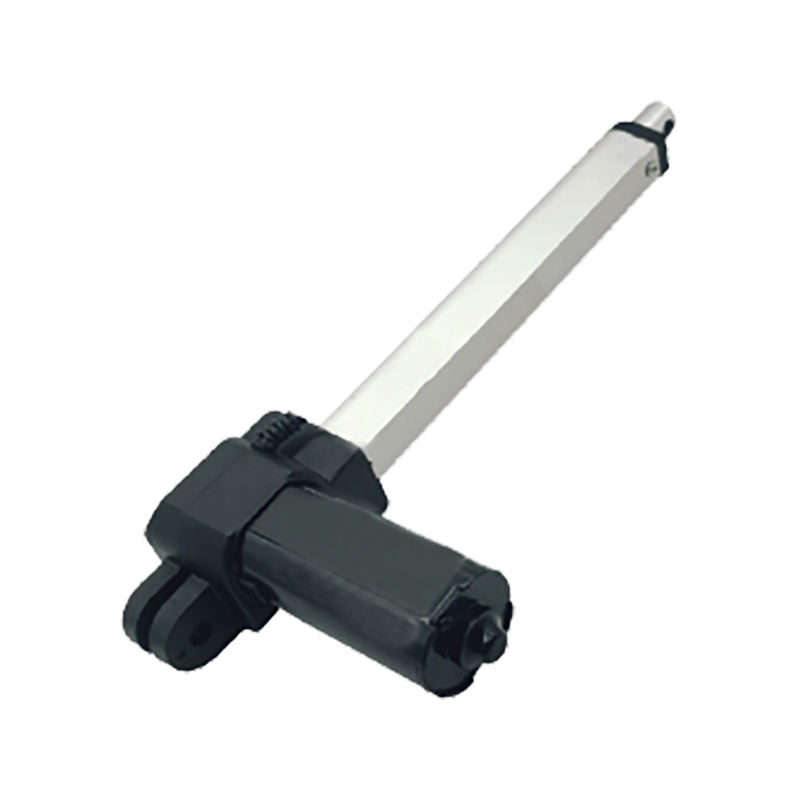
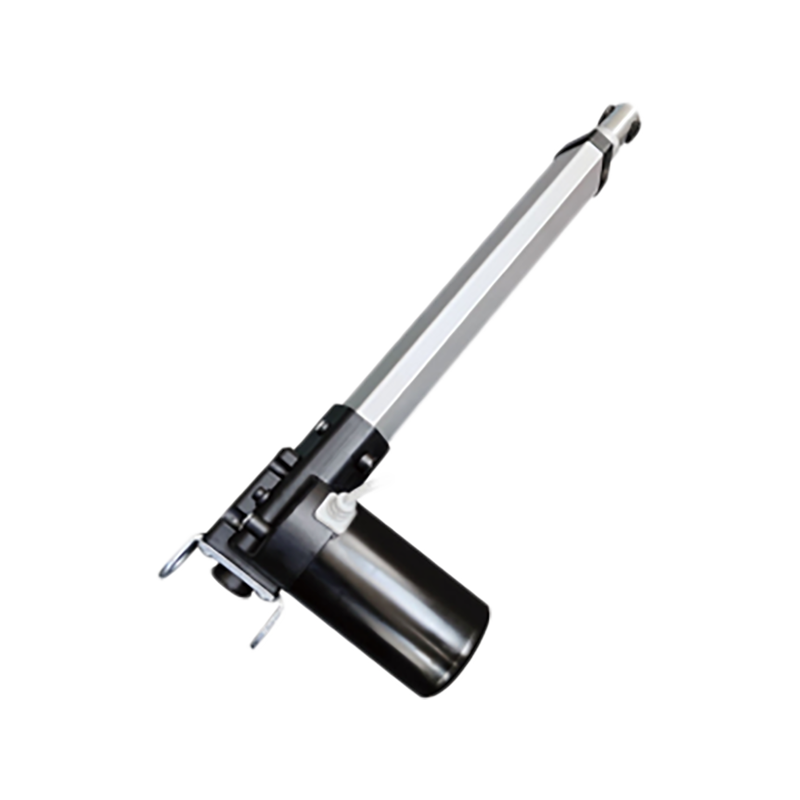
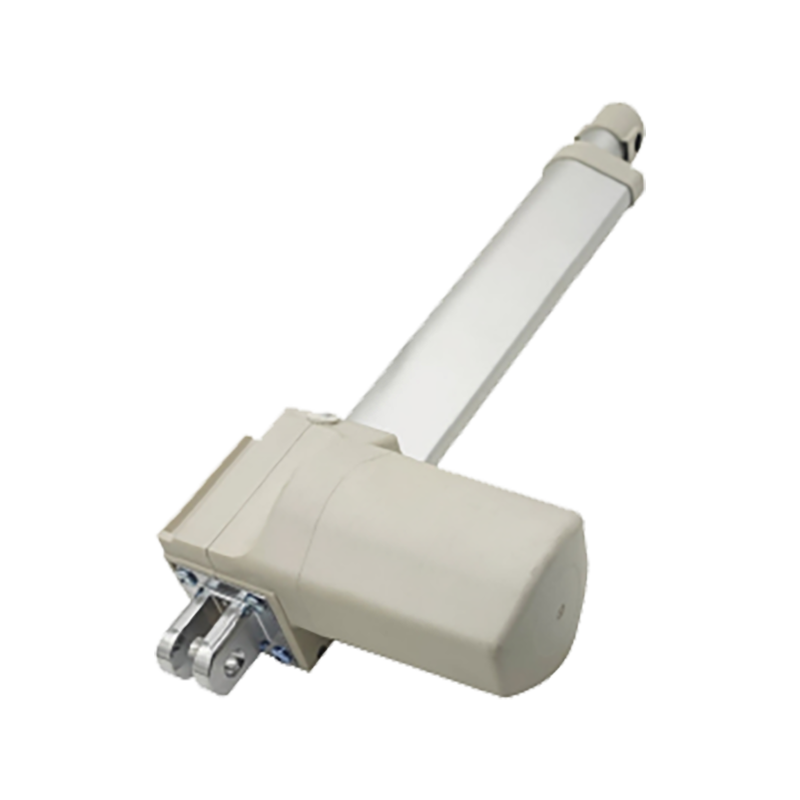
Furniture electric linear actuators are the core power components of modern smart adjustable furniture, which convert rotational electric energy into linear mechanical motion, realizing automatic lifting, tilting, stretching, and retracting of furniture structures. Compared with traditional manual adjustment and pneumatic transmission structures, these actuators feature low noise, stable operation, high safety, and simple control, becoming an indispensable core part of intelligent home and office furniture. In practical application, more than 80% of electric adjustable furniture on the market relies on linear actuator drive systems, and the service life of qualified furniture-specific actuators can fully meet the long-term use needs of household and commercial scenarios.
Different from industrial linear actuators, furniture electric linear actuators are specially optimized for low-load, frequent short-distance operation and indoor silent use scenarios. They abandon the bulky structure and high-power design of industrial products, and focus on miniaturization, low energy consumption and high safety. The overall failure rate of standard furniture linear actuators in normal use environments is less than 3%, showing extremely high stability and practicability in daily furniture operation.
Working Principle of Furniture Electric Linear Actuators
The working logic of furniture electric linear actuators is simple and efficient, mainly completing linear displacement output through the matching operation of motor, gear reduction structure, screw transmission and limit sensing components. The whole operation process is fully electric control without manual auxiliary force, which is the key to realize intelligent adjustment of furniture.
Basic Operation Process
- After the control switch sends a start signal, the miniature drive motor inside the actuator starts to rotate at a constant speed, providing basic power output for the equipment.
- The high-speed rotation of the motor is converted into low-speed and high-torque power through the built-in gear reduction group, which solves the problem of insufficient thrust of direct motor rotation and adapts to the load demand of furniture adjustment.
- The decelerated power drives the precision screw rod to rotate, and the screw rod converts rotational motion into linear reciprocating motion of the push rod, to push the furniture parts to complete displacement changes such as lifting and tilting.
- The built-in limit sensor will automatically detect the stroke range. When the push rod moves to the preset maximum or minimum position, it will cut off the power supply in real time to stop the operation, effectively avoiding structural damage caused by over-stroke movement.
Core Structural Advantages for Furniture Scenarios
Furniture-specific linear actuators adopt a fully enclosed integrated structure design. This design can effectively prevent dust, debris and moisture in the indoor environment from entering the internal transmission structure, reducing component wear and failure probability. Different from open industrial actuators, the closed structure greatly adapts to the long-term static placement and frequent intermittent use characteristics of furniture, and can maintain stable working performance in an indoor temperature and humidity environment for a long time.
Main Application Scenarios of Furniture Electric Linear Actuators
With the continuous upgrading of smart home technology, furniture electric linear actuators have been widely used in household, office, medical and leisure furniture. Almost all furniture products that need electric adjustment of height, angle and distance are equipped with this component, covering most adjustable smart furniture categories on the market.
| Application Furniture Type | Core Adjustment Function | Usage Characteristics |
|---|---|---|
| Electric Standing Desk | Automatic height lifting and lowering | Frequent adjustment, stable load bearing |
| Electric Recliner Sofa | Backrest tilting, footrest stretching | Low noise, slow and stable movement |
| Electric Lifting Bed | Bed surface angle and height adjustment | Large load capacity, high safety |
| Smart Cabinet & Window Furniture | Door and window automatic opening and closing | Infrequent use, long standby life |
Household Smart Furniture Application
In household scenarios, electric linear actuators are most commonly used in adjustable beds and reclining sofas. The actuator can precisely adjust the tilting angle of the sofa back and the lifting height of the bed surface, helping users switch freely among sitting, leaning and lying postures. After practical testing, the angle adjustment error of high-quality furniture linear actuators is controlled within a small range, ensuring accurate and consistent adjustment effect each time. In addition, it is also applied to smart lifting cabinets, hidden furniture and electric window-opening furniture, realizing automatic storage and intelligent control of home space.
Office Commercial Furniture Application
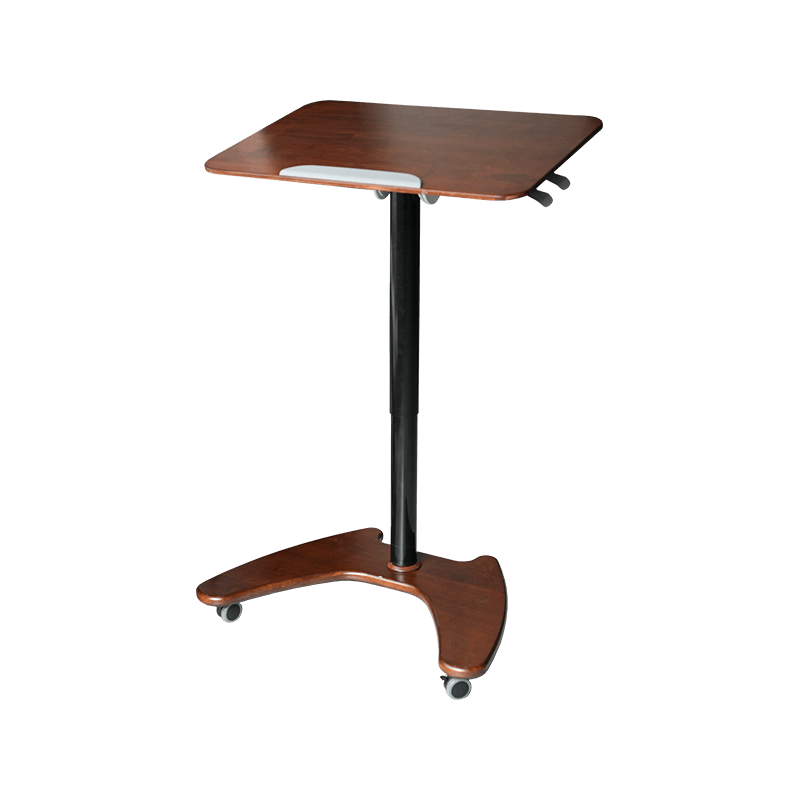
Office standing desks are the most typical application of linear actuators in commercial scenarios. The actuator drives the desk body to adjust the height freely, realizing the switching between sitting and standing office modes, effectively relieving the physical fatigue caused by long-term sitting. At the same time, it is also used in office adjustable partition tables, conference room lifting display stands and other equipment, improving the flexibility and intelligence of office space layout.
Medical Auxiliary Furniture Application
In medical auxiliary furniture such as nursing beds and rehabilitation chairs, linear actuators play a key role. The stable and slow linear movement can safely adjust the body position of patients, avoiding the jitter and impact of traditional mechanical adjustment. The low-noise operation feature also ensures a quiet rest environment for medical places, which is highly compatible with the use requirements of medical furniture.
Core Advantages of Furniture Electric Linear Actuators
Compared with traditional manual adjustment structures, pneumatic rods and hydraulic transmission components, furniture electric linear actuators have comprehensive advantages in safety, comfort, durability and controllability, which is the fundamental reason for their large-scale popularization in smart furniture.
- Ultra-low noise operation: Optimized gear and screw transmission structure eliminates harsh friction and impact noise. The operating noise of qualified products is far lower than the indoor noise standard, which will not interfere with daily life and office, and is very suitable for indoor closed environment use.
- High safety performance: Equipped with overload protection and limit stop functions. When the furniture is blocked by external force or overloaded during adjustment, the actuator will automatically stop working to prevent equipment damage and personal injury. The fully sealed structure also avoids electric leakage and mechanical clamping risks.
- Stable and durable performance: The internal transmission parts are made of wear-resistant materials, with strong anti-aging and anti-wear ability. Standard furniture linear actuators can withstand tens of thousands of repeated adjustment operations without obvious performance attenuation.
- Simple and intelligent control: It can be matched with manual switch, remote control and intelligent system linkage control. The adjustment process is smooth and stepless, realizing precise fine-tuning of height and angle, with higher adjustment accuracy than manual and pneumatic adjustment.
- Low energy consumption and environmental protection: The power consumption of a single furniture linear actuator is extremely low during operation, and it is in a zero power consumption standby state when stationary. Long-term use will not cause excessive energy consumption, meeting the energy-saving and environmental protection requirements of modern home and office.
Key Selection Criteria for Furniture Electric Linear Actuators
Selecting a suitable electric linear actuator is the key to ensure the stable operation and long service life of adjustable furniture. Users and furniture manufacturers need to select according to actual furniture types, load demands and use scenarios, focusing on the following core indicators.
Load Bearing Capacity Matching
Load capacity is the most basic selection index. Different furniture has different bearing demands: small furniture such as small lifting side tables needs low-thrust actuators, while large furniture such as electric beds and large office desks needs high-thrust products. It is necessary to reserve a certain load margin during selection, which can effectively reduce the operating load of the actuator and prolong its service life. Excessive load operation will accelerate component wear and increase failure rate.
Stroke and Running Speed Adaptation
The stroke of the actuator determines the maximum adjustment range of the furniture, which needs to be strictly matched with the structural design of the furniture. The running speed of furniture actuators is designed to be slow and stable, avoiding the safety risk caused by too fast adjustment speed. Daily household and office furniture are suitable for conventional low-speed actuators to ensure smooth and safe adjustment process.
Noise and Sealing Performance
For indoor furniture, noise performance directly affects the use experience. It is necessary to select actuators with optimized silent transmission structure. At the same time, the sealing performance of the shell should be checked. Good sealing can prevent dust and moisture erosion, adapt to long-term indoor use, and avoid abnormal noise and jamming caused by internal dirt accumulation.
Safety Protection Configuration
Qualified furniture linear actuators must have built-in overload protection, overheating protection and limit protection functions. Overload protection prevents structural damage caused by forced operation, overheating protection avoids motor burnout caused by long-time continuous work, and limit protection ensures accurate stroke control, which is the core guarantee of equipment safety.
Daily Maintenance and Fault Prevention of Furniture Linear Actuators
Furniture electric linear actuators belong to low-maintenance precision components. Daily correct use and simple maintenance can effectively extend their service life and reduce failure probability. Most common faults are caused by improper use or lack of daily maintenance.
- Avoid long-term overload use. Do not place overweight items on adjustable furniture for a long time, and do not forcibly press or pull the furniture during the operation of the actuator, so as to prevent the internal transmission structure from being deformed and worn.
- Keep the equipment clean and dry. Regularly clean the dust and debris on the surface of the actuator and the furniture moving gap to prevent foreign matters from blocking the stroke and causing jamming failure. Avoid long-term humid environment to prevent internal circuit and metal parts from rusting and aging.
- Avoid frequent continuous start and stop. Frequent instantaneous start and stop will cause impact load on the motor and gear structure. It is necessary to pause properly after multiple adjustments to protect the power components.
- Regularly check the fixing structure. Check whether the connecting screws between the actuator and the furniture are loose regularly. Loose installation will cause vibration during operation, increase noise and accelerate component wear.
With standardized use and simple maintenance, the service life of furniture electric linear actuators can reach more than ten years, basically meeting the whole life cycle use needs of smart furniture. For non-human damage faults, most structural and circuit problems can be solved through professional after-sales maintenance, with low maintenance cost and high equipment reuse rate.
Future Development Trend of Furniture Electric Linear Actuators
With the rapid development of smart home, Internet of Things and artificial intelligence technology, furniture electric linear actuators are evolving towards intelligence, miniaturization, low power consumption and multi-scene adaptation, and will be applied in more innovative smart furniture products in the future.
In terms of intelligence, more actuators will be embedded with intelligent sensing modules, which can linkage with human body sensing, height detection and posture recognition systems to realize automatic adaptive adjustment of furniture. For example, the desk can automatically adjust to the optimal height according to the user's height and sitting posture, and the sofa can automatically adjust the reclining angle according to the user's lying posture.
In terms of structural optimization, miniaturization and hidden design will become the mainstream. The volume of the actuator will be further reduced, which can be perfectly embedded into various thin and light furniture structures without affecting the overall beauty of the furniture. At the same time, the energy-saving technology will be further upgraded, and the standby power consumption will be reduced to a lower level, realizing green and low-carbon use.
In terms of safety and comfort, the silent effect and adjustment stability of the actuator will be further improved. The anti-pinch and anti-collision sensing functions will be more sensitive, which can quickly respond to external obstacles during operation, greatly improving the safety of household use. In the future, linear actuators will become the standard core configuration of all adjustable smart furniture, promoting the overall intelligent upgrading of home and office space.


- Contact Info
-
-
 Phone+86-15950656125
 -
 Email
Email -
 AddressRoom 1007-1, South Building, Suyue Plaza, Suzhou Industrial Park, Suzhou City, Jiangsu Province, China
-
- Products
- Follow Us
- Need help? Please contact us
Copyright ©
SuZhou Skyhone Intelligent Technology Co., Ltd.
All Rights Reserved.
Privacy
Custom Ergonomic Adjustable Office Tables Manufacturers

