

 English
  русский
  Español
  عربى
عربى 
Content
- 1 Understanding the Working Mechanism
- 2 Key Advantages of Pneumatic Technology
- 3 Practical Applications Across Different Industries
- 4 Key Factors to Consider When Choosing a Pneumatic Table
- 5 Pneumatic vs. Electric Adjustable Tables
- 6 Maintenance and Longevity Tips
- 7 Integrating Pneumatic Tables into a Healthy Work Lifestyle
What should I consider when buying a pneumatic adjustable table?
2026-07-01
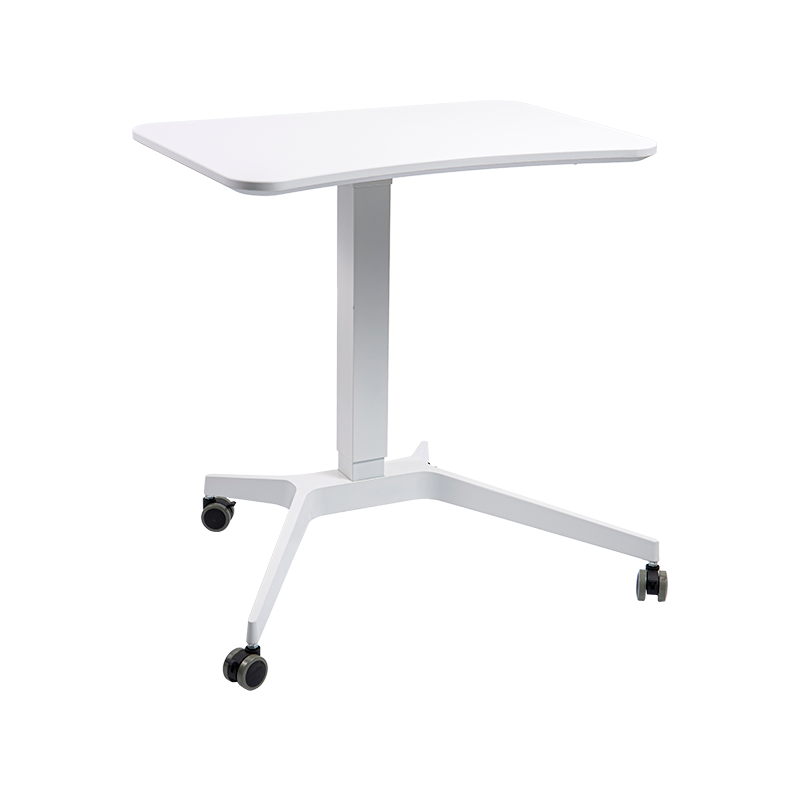
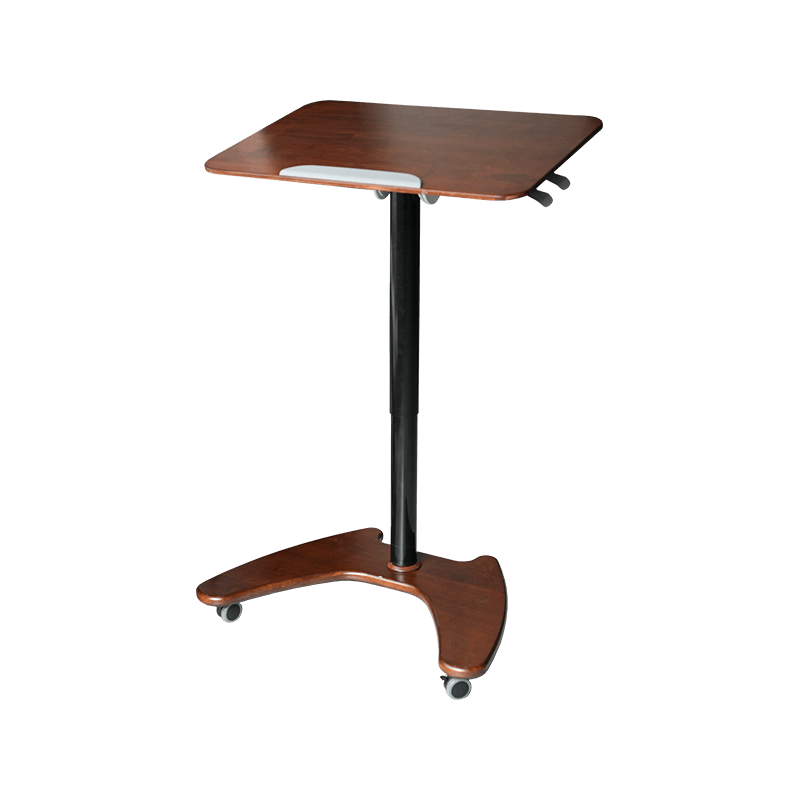
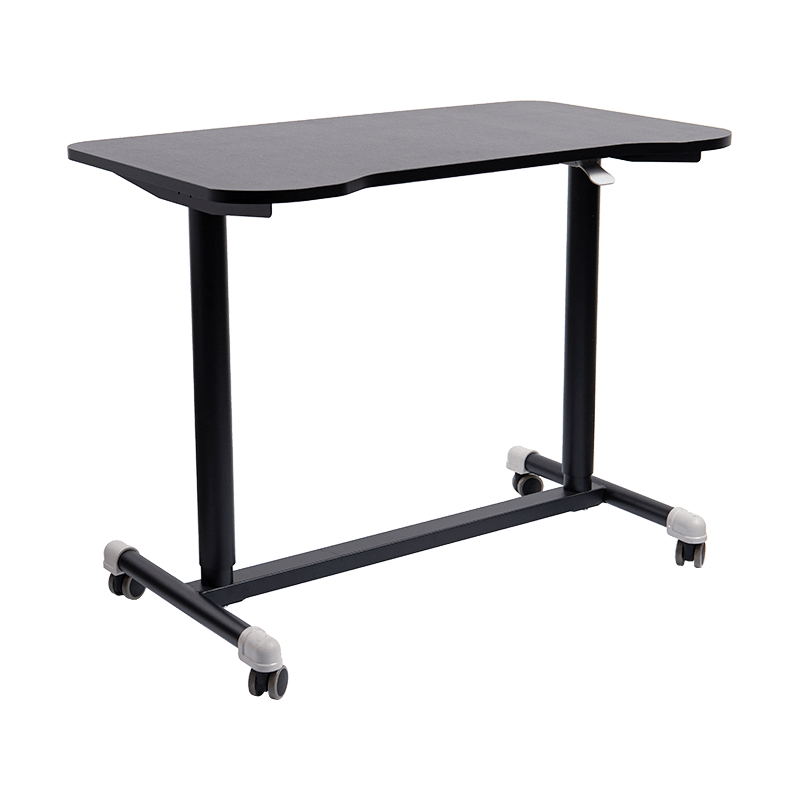
A pneumatic adjustable table is a versatile workspace solution that utilizes a compressed gas spring mechanism to allow rapid, smooth, and tool-free height adjustments. The primary advantage of this technology is its ability to facilitate instant transitions between sitting and standing positions without the need for electrical power. This makes pneumatic tables highly suitable for dynamic office environments, medical facilities, industrial workstations, and home offices where immediate ergonomic adaptability is prioritized over heavy load capacities. By simply pressing a lever, users can effortlessly raise or lower the desk to their preferred ergonomic height, promoting better posture and overall well-being throughout the workday.
Understanding the Working Mechanism
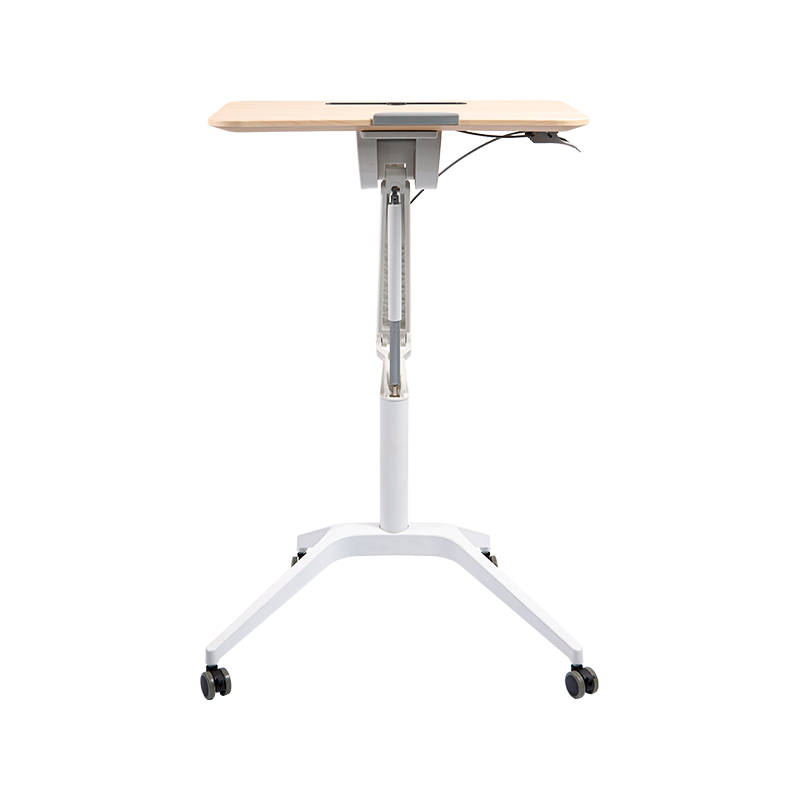
To fully appreciate the utility of a pneumatic adjustable table, it is essential to understand how its internal mechanism functions. Unlike traditional desks that rely on manual cranks or electric motors, pneumatic tables operate using a gas cylinder, often referred to as a gas spring or gas strut. This cylinder is filled with compressed nitrogen gas. When the release valve is engaged via a lever, the pressurized gas expands, pushing the piston upward and raising the desk surface.
The Physics of Smooth Movement
The genius of the pneumatic mechanism lies in its counterbalancing ability. The gas spring is calibrated to counteract the weight of the desktop and the items placed upon it. When you want to lower the desk, you apply downward pressure while holding the lever, compressing the gas back into the cylinder. This results in a perfectly smooth and controlled descent, preventing the desk from slamming down abruptly. Because there are no electronic components involved in the lifting process, the system is virtually maintenance-free regarding motors or wiring, and it operates silently.
Key Advantages of Pneumatic Technology
Pneumatic adjustable tables offer a distinct set of benefits that make them a preferred choice for various user groups. Their design focuses on user-centric functionality and environmental adaptability.
- Instantaneous Adjustments: The most significant benefit is speed. Users can change the desk height in a matter of seconds. This is particularly beneficial in multi-user environments where different people share the same workstation.
- Power Independence: Since the mechanism relies on compressed gas rather than electricity, these tables can be placed anywhere in a room without worrying about proximity to power outlets. This offers unparalleled flexibility in office layout and design.
- Silent Operation: The absence of electric motors means pneumatic tables adjust silently. This is a crucial feature in quiet environments such as libraries, recording studios, or shared open-plan offices where noise can be a major distraction.
- Long-Term Durability: Gas springs are highly durable and designed to withstand thousands of compression cycles. Without the risk of motor burnout or electrical failures, pneumatic systems often boast a long operational lifespan.
Practical Applications Across Different Industries
The adaptability of pneumatic adjustable tables allows them to be utilized far beyond the traditional corporate office. Different industries have adopted this technology to meet specific operational needs.
Healthcare and Medical Facilities
In hospitals and clinics, medical professionals frequently move between sitting and standing while reviewing patient charts or operating equipment. Pneumatic tables allow for rapid height changes without interrupting workflow. Furthermore, the lack of electrical components makes them easier to sanitize and safer to use around medical liquids.
Industrial and Assembly Workstations
Manufacturing environments require workers to adjust their stations based on the specific task at hand or their physical stature. Pneumatic tables provide the robustness needed for light to medium industrial assembly, helping to reduce worker fatigue and prevent repetitive strain injuries. The instant adjustability allows for seamless shift changes among workers of different heights.
Educational and Collaborative Spaces
In modern classrooms and collaborative workspaces, furniture must be flexible. Pneumatic adjustable tables can be quickly reconfigured to suit different activities, from individual study to group presentations. The silent adjustment ensures that the learning environment remains undisturbed.
Key Factors to Consider When Choosing a Pneumatic Table
Selecting the right pneumatic adjustable table requires evaluating several functional and structural aspects to ensure it meets your specific requirements.
- Weight Capacity: Pneumatic systems are generally designed for lighter loads compared to heavy-duty electric desks. It is crucial to calculate the total weight of your equipment—such as monitors, keyboards, and desktop accessories—and ensure the table's gas spring can adequately counterbalance it. Overloading the desk will make it difficult to raise and may damage the internal mechanism.
- Height Adjustment Range: Different users require different ergonomic heights. Check the minimum and maximum height specifications to ensure the table can accommodate both the shortest and tallest potential users comfortably.
- Base Stability: When fully extended, any adjustable table is susceptible to wobble. Look for a table with a wide, sturdy base and a solid central column. The structural material—typically steel or high-grade aluminum—plays a significant role in overall stability.
- Desktop Material and Size: The surface should be large enough to hold your work essentials without feeling cluttered. Materials like engineered wood, solid wood, or bamboo offer different aesthetics and durability levels, while also affecting the overall weight the gas spring must support.
Pneumatic vs. Electric Adjustable Tables
When deciding between pneumatic and electric adjustable tables, it helps to compare their core attributes side by side. Each technology serves different priorities, from speed and convenience to load capacity and programmability.
| Feature | Pneumatic Table | Electric Table |
|---|---|---|
| Power Source | Compressed gas (No electricity needed) | Electric motors (Requires outlet) |
| Adjustment Speed | Instantaneous | Moderate (Steady motor speed) |
| Noise Level | Completely silent | Low hum from motor |
| Typical Weight Capacity | Light to Medium | Heavy Duty |
| Memory Presets | Not available | Often available for precise heights |
As the comparison illustrates, pneumatic tables excel in scenarios demanding rapid, silent, and cable-free adjustments. Electric tables are better suited for users who require heavy load support and precise, programmable height presets. Your choice should be guided by the specific daily demands of your workflow.
Maintenance and Longevity Tips
While pneumatic adjustable tables are generally low maintenance, a few proactive steps can significantly extend their operational lifespan and ensure smooth functionality over the years.
Respecting Weight Limits
The most common cause of pneumatic failure is exceeding the designated weight capacity. When the gas spring is forced to support more weight than it is calibrated for, the internal seals can rupture, leading to a loss of pressure. Always ensure the total weight on the desk remains within the manufacturer's specified limits.
Keeping the Mechanism Clean
Dust and debris can accumulate around the central column and the gas spring, leading to friction and stiff movement. Periodically wiping down the column with a clean, dry cloth will prevent particulate buildup. Avoid using harsh chemical cleaners near the moving parts, as these can degrade the rubber seals within the gas cylinder.
Proper Usage Habits
Always engage the release lever fully when adjusting the height, and avoid forcing the desk up or down against the mechanism. Allow the gas spring to do the work. When lowering the desk, apply a gentle, even downward pressure. Maintaining smooth operational habits prevents sudden shocks to the internal components, preserving the integrity of the compressed gas system.
Integrating Pneumatic Tables into a Healthy Work Lifestyle
The ultimate goal of any ergonomic furniture is to promote a healthier, more active lifestyle. Pneumatic adjustable tables are particularly effective at encouraging movement because they remove the friction from the adjustment process. When changing positions is as easy as pulling a lever, users are far more likely to alternate between sitting and standing throughout the day.
To maximize the health benefits, it is recommended to change positions every half hour. Standing for short periods helps improve blood circulation, reduces pressure on the lower spine, and can boost alertness and productivity. Because pneumatic tables adjust instantly, users can easily find the perfect height for both sitting and standing postures, ensuring their screen remains at eye level and their elbows rest at a comfortable angle. By integrating this highly adaptable furniture into your daily routine, you create a dynamic environment that actively supports your physical well-being.


- Contact Info
-
-
 Phone+86-15950656125
 -
 Email
Email -
 AddressRoom 1007-1, South Building, Suyue Plaza, Suzhou Industrial Park, Suzhou City, Jiangsu Province, China
-
- Products
- Follow Us
- Need help? Please contact us
Copyright ©
SuZhou Skyhone Intelligent Technology Co., Ltd.
All Rights Reserved.
Privacy
Custom Ergonomic Adjustable Office Tables Manufacturers

