

 English
  русский
  Español
  عربى
عربى 
How to choose the best adjustable office table for your workspace?
2026-07-08
Investing in an adjustable office table is a proven, scientifically-backed method to significantly reduce the health risks associated with sedentary behavior while simultaneously boosting mental focus and work efficiency. The modern workplace demands versatility, and a static desk simply cannot meet the physiological needs of the human body over an eight-hour workday. By allowing users to seamlessly transition between sitting and standing positions, these dynamic workstations serve as a critical tool for mitigating chronic pain, enhancing circulation, and sustaining energy levels throughout the day.
The Hidden Health Crisis of Static Posture
While the convenience of modern technology has streamlined many tasks, it has inadvertently chained the workforce to their chairs. The human body is engineered for movement, not for maintaining a fixed posture for extended periods. When an individual remains seated for hours on end, several physiological negative reactions occur:
- Muscle Degeneration: Core and abdominal muscles weaken due to inactivity, leading to poor posture and a swayback appearance.
- Circulatory Issues: Blood flow slows down in the lower extremities, increasing the risk of varicose veins and blood clots.
- Metabolic Slowdown: The body's production of lipoprotein lipase, an enzyme that breaks down fat, drops significantly when seated.
- Spinal Compression: Prolonged sitting places immense pressure on the spinal discs, often leading to chronic lower back pain and herniated discs.
An adjustable office table directly combats these issues by introducing kinetic variety back into the workday. It is not merely a piece of furniture; it is a health intervention device that promotes an active working style.
The Science of Dynamic Ergonomics
The core principle behind the adjustable office table is dynamic ergonomics. Unlike traditional ergonomic chairs that attempt to make static sitting comfortable, dynamic ergonomics encourages the body to change positions frequently. This approach aligns with the concept of "micro-movements"—small, constant adjustments the body makes to maintain balance and blood flow.
When using a height-adjustable workstation, the user is empowered to listen to their body's signals. If the lower back begins to ache, a simple adjustment raises the work surface, engaging different muscle groups and shifting the skeletal load. This variation prevents the repetitive strain injuries common in office environments. Furthermore, the act of standing engages the large muscle groups in the legs and buttocks, which helps regulate blood sugar and metabolism more effectively than sitting.
Research suggests that the ideal workflow is not standing all day, but rather finding a rhythm between sitting and standing. This intermittent pattern keeps the metabolism active and reduces the fatigue associated with maintaining a single posture for too long.
Impact on Productivity and Mental Clarity
Beyond physical health, the cognitive benefits of using an adjustable office table are substantial. There is a strong correlation between physical movement and brain function. When blood flow is restricted due to prolonged sitting, oxygen delivery to the brain is slightly reduced, which can lead to that mid-afternoon mental fog or lethargy.
Enhanced Focus and Collaboration
Standing desks have been observed to foster a more energetic work environment. When standing, employees often report feeling more alert and "in the zone." This heightened state of arousal can lead to faster processing times and improved concentration on complex tasks. Additionally, a standing workspace often breaks down physical barriers. In open-plan offices, people at adjustable tables are more accessible, promoting quicker, more spontaneous collaboration compared to those tucked behind high-backed chairs.
Mood Elevation
Physical activity, even the low-intensity activity of standing, triggers the release of endorphins. These neurochemicals act as natural mood lifters and pain relievers. Users of adjustable desks frequently report reduced feelings of stress and anxiety. The sense of control over one's workspace also contributes to overall job satisfaction, as the employee can tailor their environment to their immediate physical needs.
Mechanisms and Types of Adjustable Tables
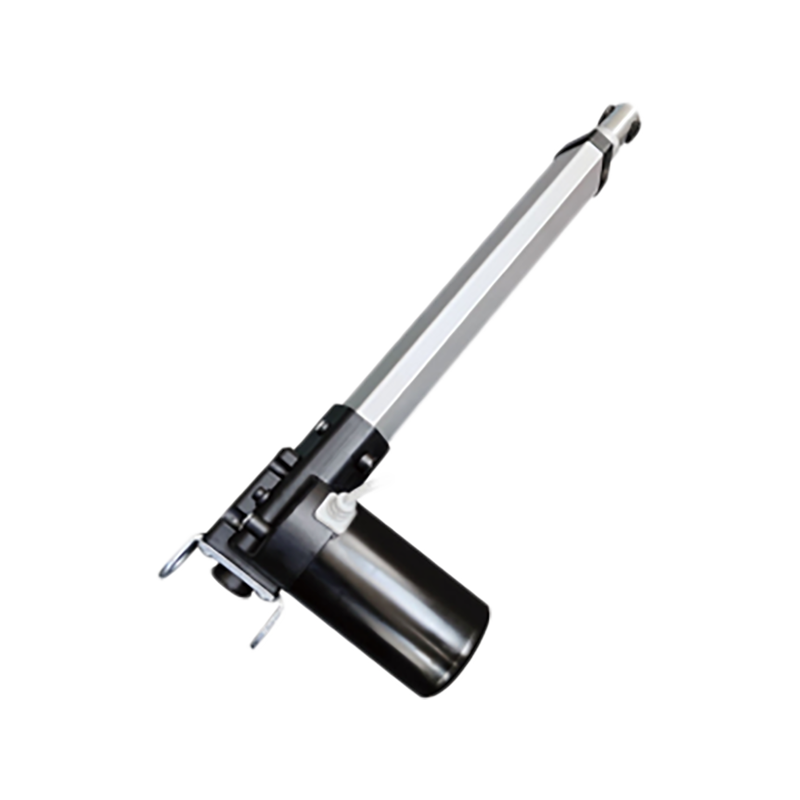
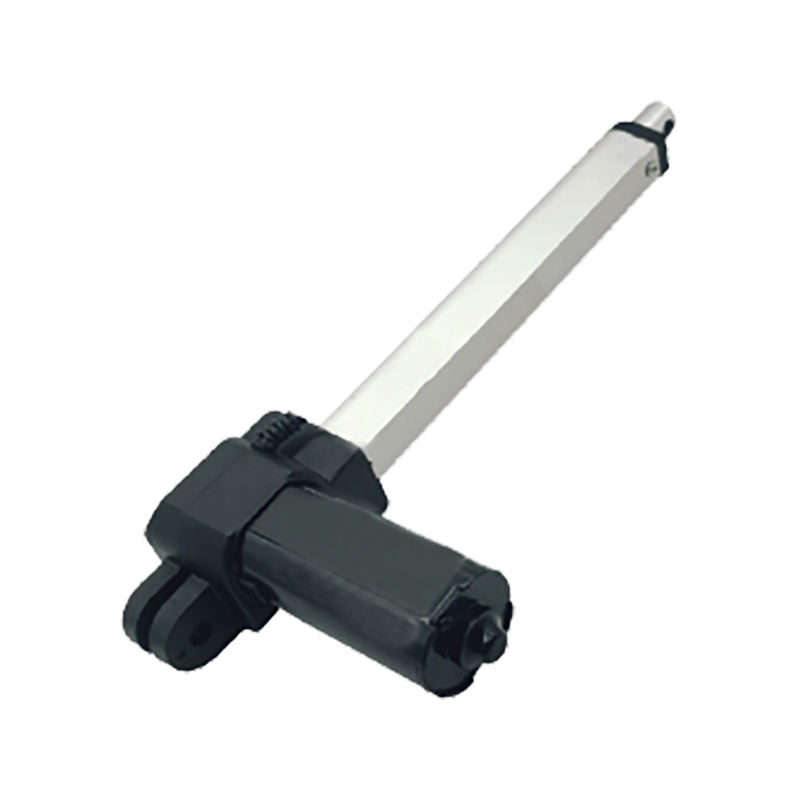
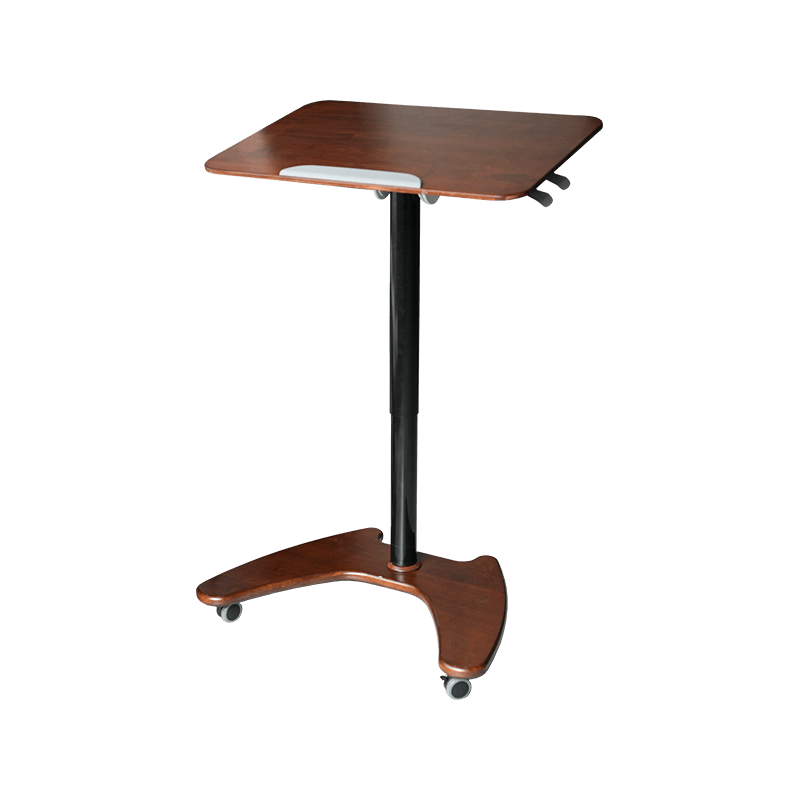
Not all adjustable office tables are created equal. Understanding the underlying mechanism is crucial for selecting a table that offers durability and ease of use. The market generally categorizes these desks into two main types based on their lifting mechanisms.
Below is a comparison of the two primary mechanisms to help you understand the functional differences:
| Feature | Manual Crank System | Electric Motor System |
|---|---|---|
| Adjustment Ease | Moderate (requires physical effort) | High (push-button operation) |
| Noise Level | Low mechanical sound | Varies (usually quiet hum) |
| Maintenance | Low (simple mechanics) | Moderate (electronic components) |
| Weight Capacity | Generally Lower | Generally Higher |
Critical Factors for Selection
When selecting the right adjustable office table for your needs, several key performance indicators should guide your decision. It is important to look beyond aesthetics and focus on functionality and build quality.
Stability and Wobble
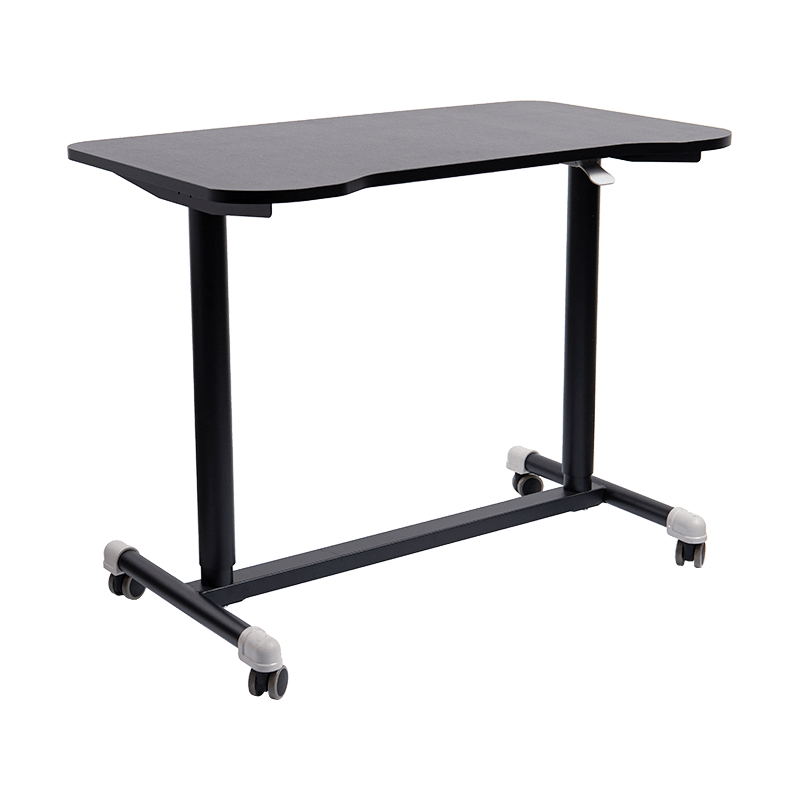
The most common complaint with lower-tier adjustable desks is wobble. When the table is extended to its standing height, the center of gravity shifts, and the frame becomes less rigid. A high-quality table will use robust steel frames and cross-supports to minimize side-to-side movement. Testing the desk at maximum height is essential to ensure it remains stable during typing or writing.
Adjustment Range
To accommodate users of various heights, the table must have an extensive adjustment range. It should go low enough to accommodate shorter individuals while seated without their feet dangling, and high enough for taller individuals to stand comfortably without hunching over. A standard range usually accommodates users from the 5th percentile to the 95th percentile in height.
Transition Speed
For electric models, the speed at which the table transitions from sitting to standing is a matter of convenience. A slow transition can disrupt the workflow, discouraging the user from changing positions as often as they should. Faster, smoother transitions encourage more frequent movement.
Surface Area and Depth
The surface area must accommodate all necessary equipment, including monitors, keyboards, and documents, without causing clutter. However, depth is particularly important. A deep enough surface ensures that monitors are at a comfortable viewing distance, preventing eye strain. Shallow adjustable tables can force users to place monitors too close, which is counterproductive to ergonomic goals.
Best Practices for Usage
Owning an adjustable office table is only the first step. Using it correctly is what generates the health benefits. Simply standing all day is not the solution; in fact, standing for too long can lead to varicose veins and foot pain. The goal is variation.
- Follow the 20-8-2 Rule: A popular guideline suggests sitting for 20 minutes, standing for 8 minutes, and moving around for 2 minutes. This cycle keeps the body actively engaging different muscle groups.
- Wear Supportive Footwear: When standing, the feet are the foundation. Hard soles or high heels can cause discomfort. Using an anti-fatigue mat can also reduce pressure on the heels and lower back.
- Monitor Height is Key: Adjust the monitor so the top of the screen is at or slightly below eye level. This prevents neck strain whether sitting or standing.
- Use an Anti-Fatigue Mat: These mats provide cushioning that encourages subtle micro-movements in the legs, reducing fatigue significantly compared to standing on a hard floor.
Conclusion
The transition to an adjustable office table represents a shift towards a more conscious, health-centric approach to work. It challenges the sedentary norms of the traditional office and offers a practical solution to the modern health crisis of inactivity. By prioritizing physical well-being through environmental design, workers can enjoy a pain-free, more energetic, and more productive professional life. Whether for a home office or a large corporate campus, the adjustable table is no longer a luxury—it is a necessity for sustainable professional performance.


- Contact Info
-
-
 Phone+86-15950656125
 -
 Email
Email -
 AddressRoom 1007-1, South Building, Suyue Plaza, Suzhou Industrial Park, Suzhou City, Jiangsu Province, China
-
- Products
- Follow Us
- Need help? Please contact us
Copyright ©
SuZhou Skyhone Intelligent Technology Co., Ltd.
All Rights Reserved.
Privacy
Custom Ergonomic Adjustable Office Tables Manufacturers

