

 English
  русский
  Español
  عربى
عربى 
What is an industrial electric linear actuator used for?
2026-07-15
When evaluating modern industrial automation solutions, the industrial electric linear actuator stands out as the superior choice for converting rotational motion into precise linear movement. Unlike hydraulic or pneumatic systems, electric actuators provide unmatched control over position and speed while eliminating the risks associated with fluid leaks. They offer a cleaner, quieter, and more energy-efficient operation, making them the definitive answer for applications requiring high precision and repeatability. By integrating electric linear actuators, industries can achieve a significant reduction in operational costs and an increase in system reliability, solidifying their role as a critical component in contemporary automated machinery.
Core Mechanics and Operating Principles
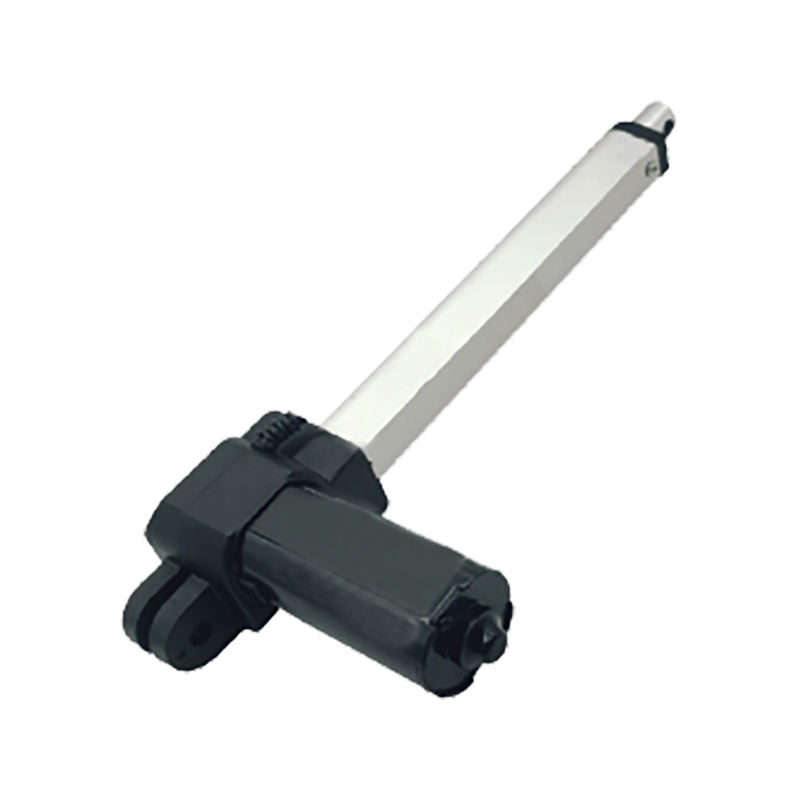
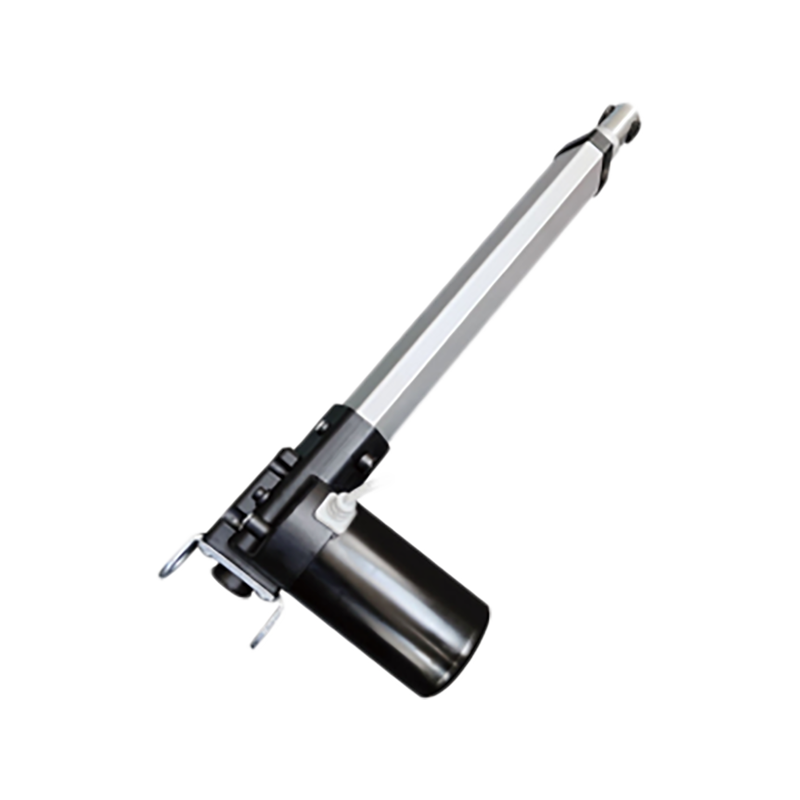
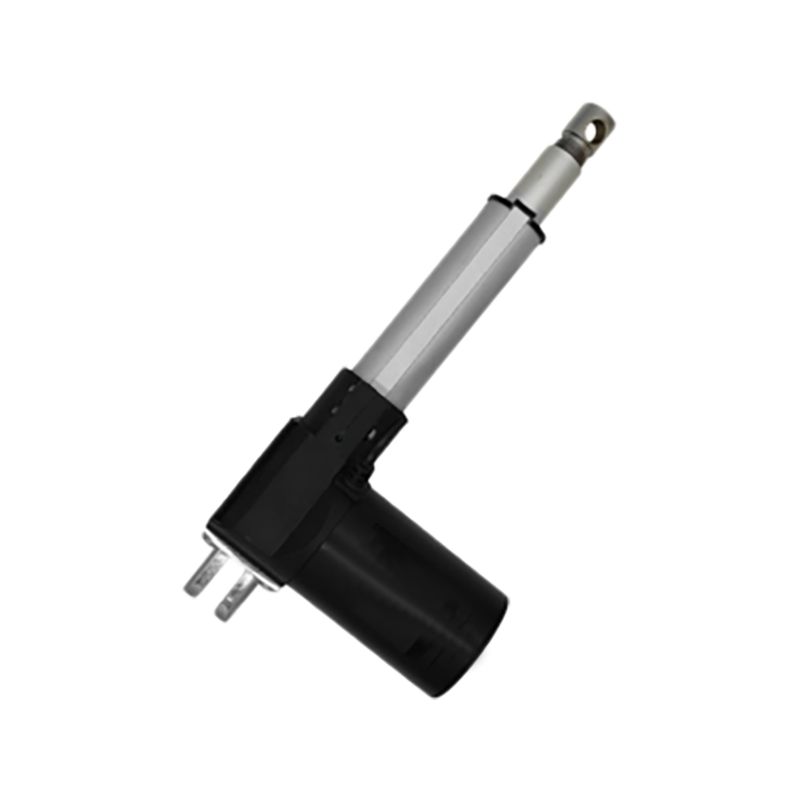
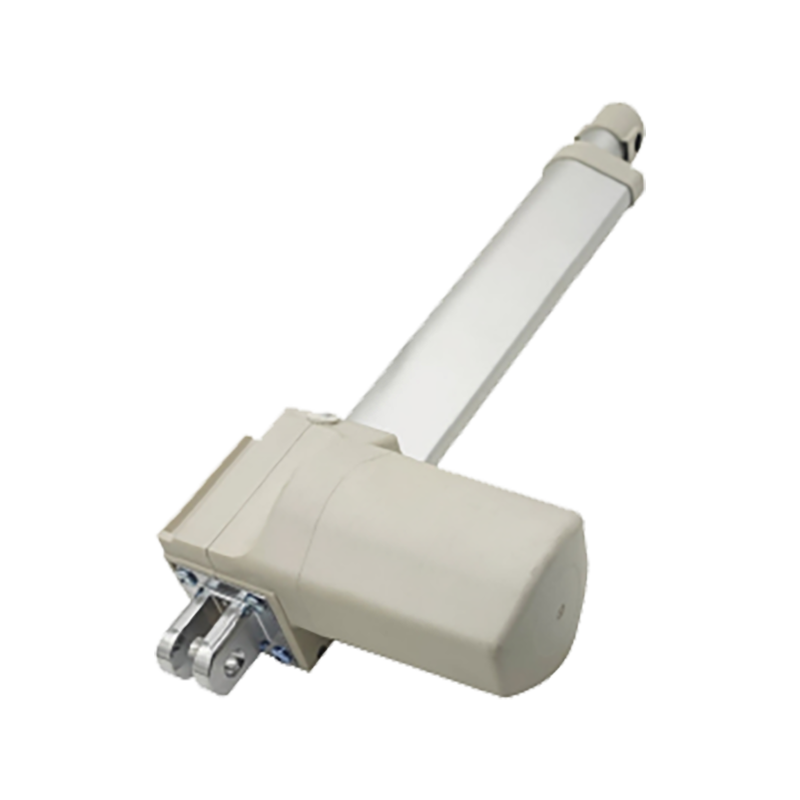
Understanding the functionality of these actuators is essential for proper application. At its core, the device operates through a simplified yet robust mechanical chain. An electric motor, typically DC or AC, generates rotational torque. This torque is then transmitted through a gear reduction system, which increases torque while reducing rotational speed. Finally, the rotated energy drives a lead screw or ball screw mechanism, converting the rotary motion into linear displacement.
The choice of screw mechanism plays a pivotal role in performance. Ball screws, for instance, utilize circulating ball bearings to reduce friction, resulting in efficiencies exceeding 90% and allowing for higher speeds and longer life. In contrast, lead screws offer a simpler, more cost-effective design with self-locking capabilities, preventing the load from back-driving when power is lost. This fundamental mechanical understanding ensures that engineers select the right configuration for their specific force and speed requirements.
Key Advantages Over Hydraulic Systems
The shift from traditional fluid power systems to electric linear actuators is driven by several distinct advantages that impact both performance and total cost of ownership. While hydraulics have historically been the standard for high-force applications, electric technology has bridged the gap while offering superior benefits in most other areas.
- Precision and Control: Electric actuators allow for exact positioning with repeatability down to microns, which is difficult to achieve with fluid systems that suffer from compressibility issues.
- Clean Operation: They operate without hydraulic oil, eliminating the risk of contamination in cleanroom environments such as food processing or pharmaceutical manufacturing.
- Low Maintenance: Without seals that leak or hoses that degrade, maintenance requirements are drastically reduced, often limited to occasional lubrication or bearing checks.
- Energy Efficiency: Electric motors only consume power when moving, whereas hydraulic pumps must run continuously to maintain pressure, leading to significant energy savings.
- Silent Performance: Noise levels are significantly lower, contributing to a safer and more compliant working environment regarding occupational health standards.
Comparative Analysis: Electric vs. Hydraulic
To visualize the differences, a direct comparison highlights why electric actuators are increasingly preferred. The following table outlines the performance distinctions in critical operational areas.
| Feature | Electric Linear Actuator | Hydraulic System |
| Positioning Accuracy | High (Micron level) | Moderate to Low |
| Maintenance Needs | Minimal (No fluids) | High (Seals, hoses, oil) |
| Energy Consumption | Low (On-demand) | High (Continuous pump run) |
| Environmental Risk | None (Clean) | Oil leak potential |
| Initial Cost | Moderate | Varies (Often complex) |
Essential Selection Criteria
Choosing the correct actuator for an industrial application requires a thorough analysis of the physical demands of the system. Selecting a unit that is undersized leads to premature failure, while an oversized unit results in unnecessary cost and energy consumption. Engineers must evaluate three primary technical specifications to ensure optimal performance.
Dynamic Load Capacity
The most critical factor is the force required to move the load. This includes not just the weight of the object, but friction and gravitational forces if the movement is not horizontal. It is vital to distinguish between static load (holding weight) and dynamic load (moving weight). A safety factor of at least 20% to 30% above the maximum calculated dynamic load is recommended to account for shock loads and unexpected resistance. This buffer ensures longevity and reliability in harsh industrial environments.
Speed and Stroke Length
Stroke length refers to the total distance the actuator needs to extend and retract. It is crucial to measure this precisely, as the actuator cannot extend beyond its manufactured limit. Speed requirements must also be balanced against force; typically, as speed increases, the available force decreases. Therefore, if an application requires high speed, a more powerful motor may be necessary to maintain the required force output.
Duty Cycle and Environment
The duty cycle represents the ratio of run time to rest time. An actuator rated for a 10% duty cycle can only run for 1 minute out of every 10 minutes without overheating. Industrial applications often require 100% duty cycle capabilities for continuous operation. Furthermore, the environmental conditions dictate the ingress protection (IP) rating needed. For dusty or wet environments, an IP65 or IP67 rating is essential to prevent particulate ingress and water damage, ensuring the internal gears and motor remain protected.
Industrial Applications and Use Cases
The versatility of electric linear actuators allows them to be deployed across a vast array of sectors. Their ability to provide reliable, repeatable motion makes them indispensable in both heavy industry and precision manufacturing.
- Material Handling: Used in conveyor systems for adjusting guide rails, lifting gates, or positioning heavy pallets with precision.
- Agriculture: Essential for controlling the angle of Combine harvester headers or adjusting the height of sprayer booms automatically.
- Solar Tracking: They adjust the angle of solar panels throughout the day to follow the sun, maximizing energy absorption by up to 25% compared to static installations.
- Food and Beverage: Used in mixing machines, cutting equipment, and packaging lines where hygiene and the absence of lubricants are non-negotiable.
- Heavy Machinery: Implemented in excavators and construction equipment for precise control of attachments, replacing older hydraulic cylinders in "electro-hydraulic" hybrid systems.
Future Trends in Actuation Technology
The future of industrial electric linear actuators is geared towards smarter, more integrated solutions. The integration of IoT (Internet of Things) capabilities is becoming standard, allowing actuators to report real-time data on temperature, load, and position to central control systems. This predictive maintenance capability prevents downtime before failures occur. Additionally, advancements in battery technology and motor efficiency are leading to more compact and powerful units, enabling their use in mobile applications where weight and space are at a premium. As automation continues to evolve, the electric linear actuator will remain central to the pursuit of smarter, greener, and more efficient industrial operations.

- Contact Info
-
-
 Phone+86-15950656125
 -
 Email
Email -
 AddressRoom 1007-1, South Building, Suyue Plaza, Suzhou Industrial Park, Suzhou City, Jiangsu Province, China
-
- Products
- Follow Us
- Need help? Please contact us
Copyright ©
SuZhou Skyhone Intelligent Technology Co., Ltd.
All Rights Reserved.
Privacy
Custom Ergonomic Adjustable Office Tables Manufacturers

